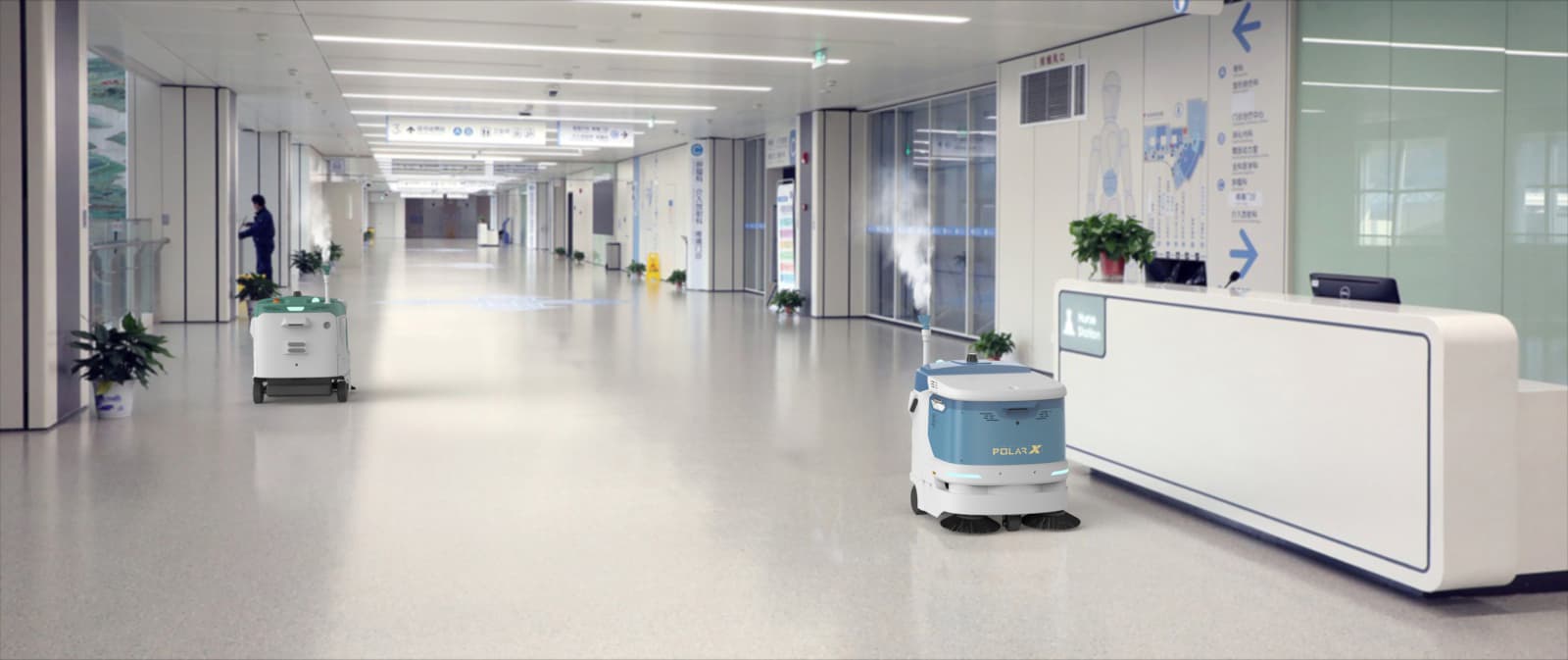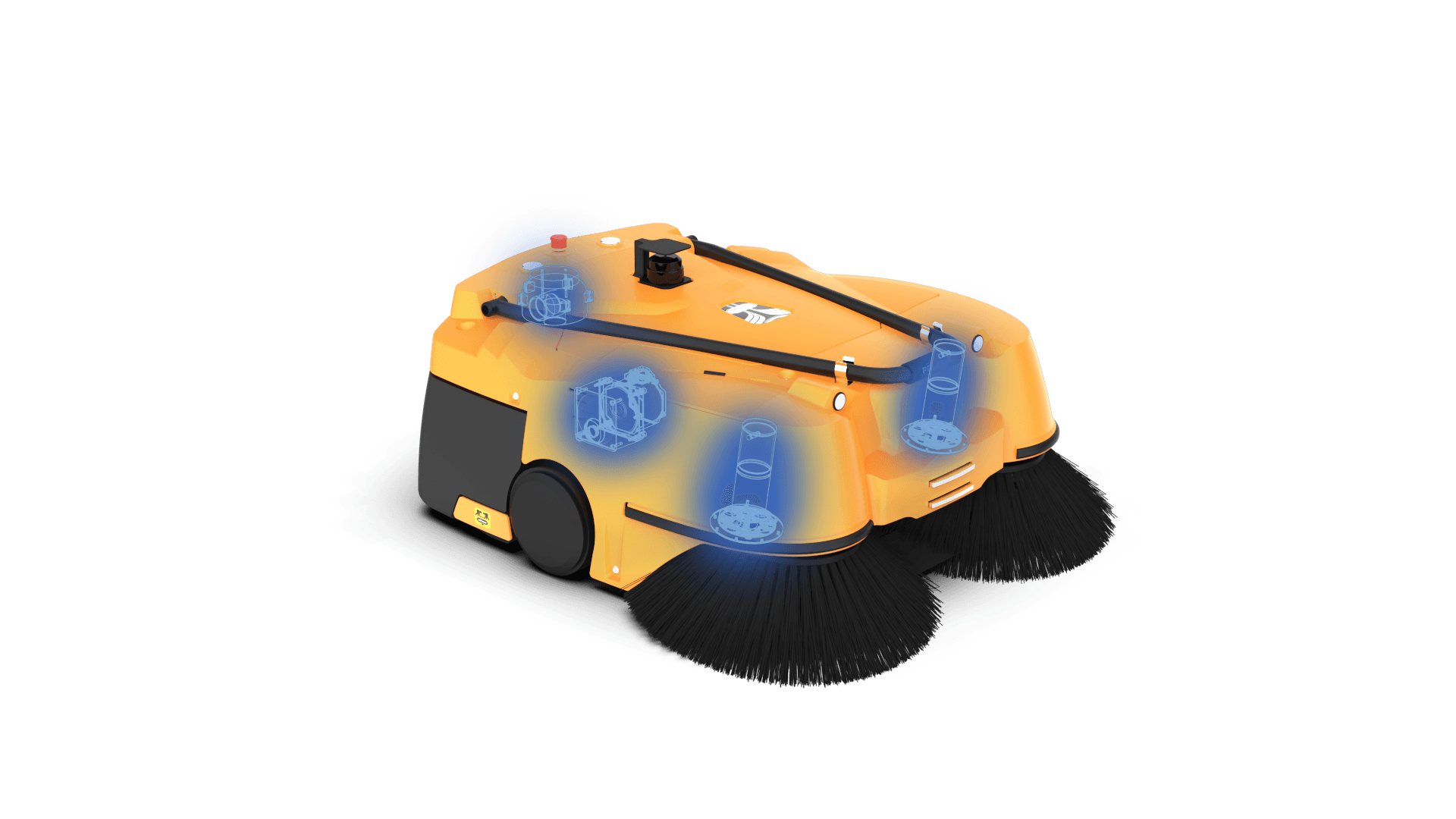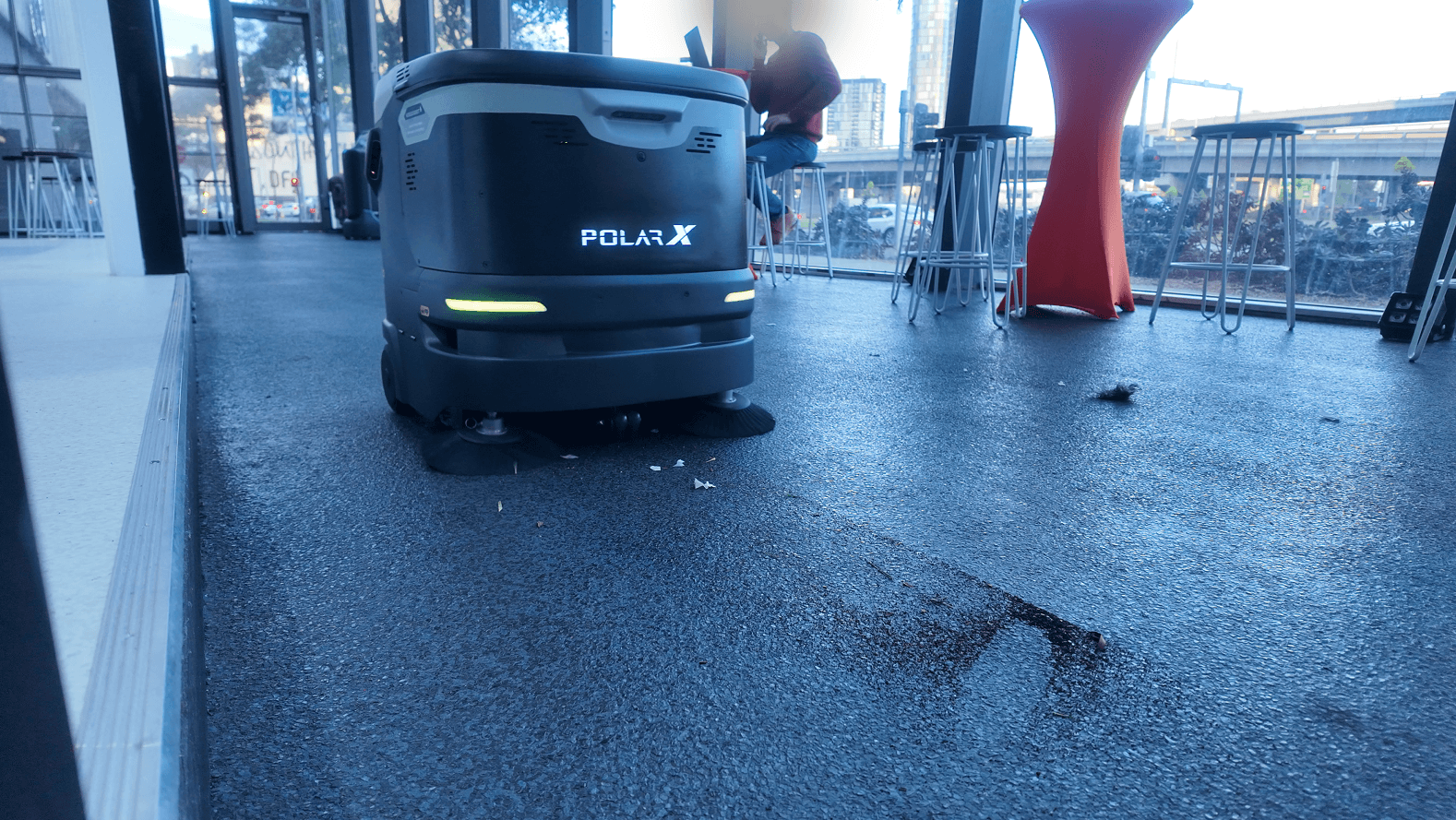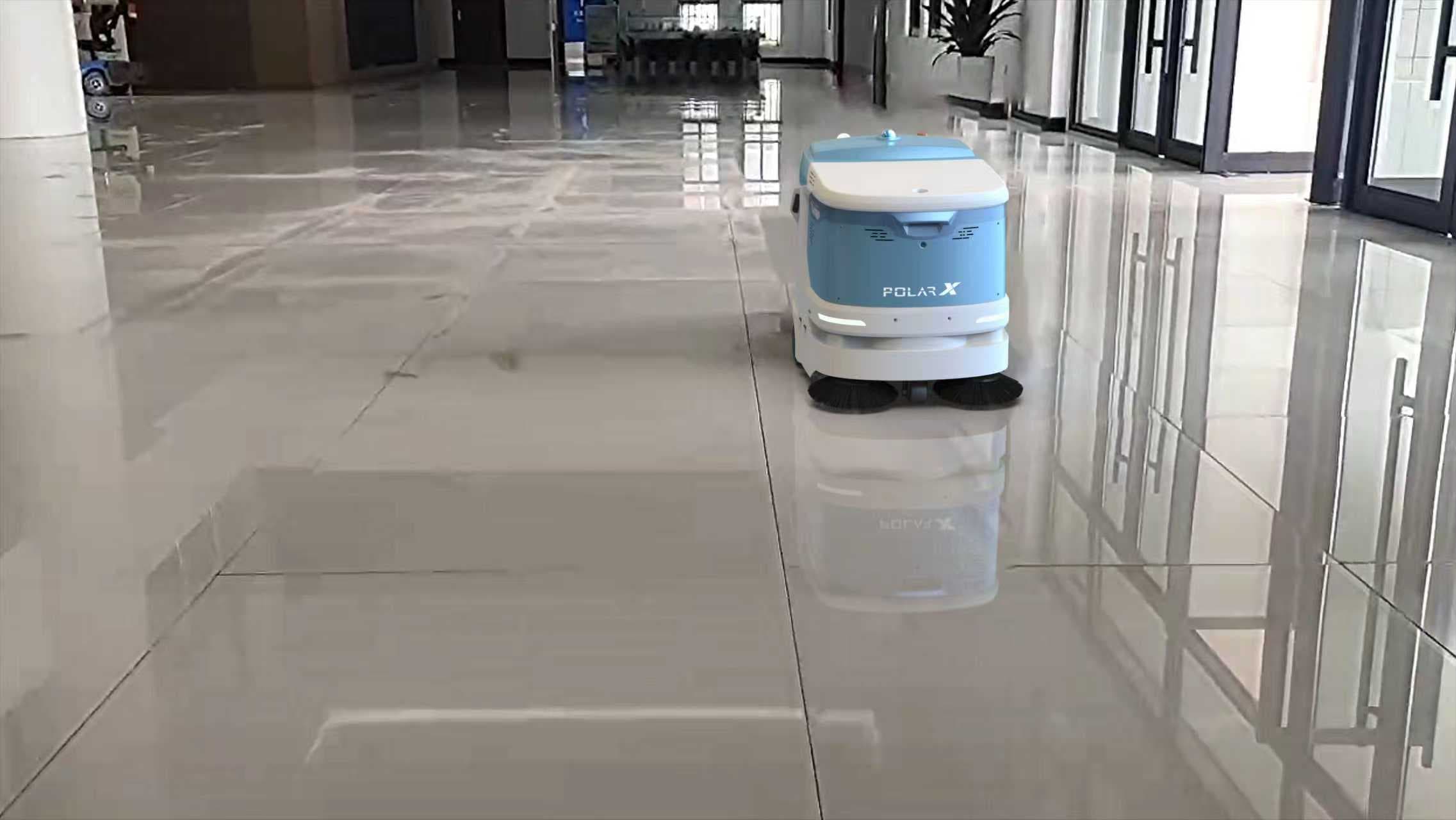
Traditional commercial floor cleaning often relies on water, detergent, brushes, squeegees, tanks and wastewater handling. This approach can be effective, but it also creates ongoing operational challenges.
Waterless floor cleaning offers a different approach. Instead of using water to wash the floor, it focuses on dry floor care, dust removal, polishing and surface maintenance without leaving wet areas behind.
Explore waterless cleaning
Floor Safety
Wet scrubbing can leave moisture on the floor, especially around corners, grout lines, uneven surfaces or high-traffic zones. This can increase slip risk if the area is not properly managed.
Waterless cleaning helps reduce this issue because the floor remains dry during operation. This is especially valuable in commercial areas where people continue walking while cleaning is being completed.
Daily Maintenance
Traditional scrubbers require clean water filling, wastewater disposal, brush cleaning, squeegee maintenance and tank cleaning. These tasks add time and can reduce the willingness of staff to use the machine regularly.
Waterless robotic cleaning reduces the need for daily water-related maintenance. This can make the cleaning process simpler and easier to repeat consistently.
Operational Downtime
Wet cleaning may require warning signs, blocked areas or time for the floor to dry. In busy environments such as shopping centres, schools, showrooms, airports and offices, this can affect normal operations.
Waterless cleaning allows floors to remain available immediately after cleaning, helping facilities maintain appearance without disrupting movement.
Floor Surface Protection
Sand, dust and fine particles can act like abrasive material on hard floors. If not removed regularly, they may contribute to surface wear and loss of gloss over time.
Waterless cleaning systems that focus on dry debris removal and surface care can help protect floors from daily abrasive damage.
Sustainability and Water Use
Traditional floor scrubbing consumes water and may require chemicals. For large facilities, this can add up over time.
Waterless cleaning reduces water use and chemical dependency, supporting a more sustainable cleaning approach for commercial environments.
Conclusion
Traditional scrubbing still has a place in deep cleaning, but daily floor maintenance does not always need to rely on water. Waterless robotic cleaning can provide a safer, simpler and more sustainable way to maintain commercial floors, especially in high-traffic environments.
Explore PolarX Cleaning Robotics
See how PolarX supports safer, simpler and more consistent commercial floor cleaning.
Common questions
Is waterless cleaning the same as wet scrubbing?
No. Waterless cleaning focuses on dry floor care, debris removal and surface maintenance without leaving wet areas behind.
Where is waterless cleaning most useful?
It is useful in high-traffic facilities where wet floors may create safety or operational concerns.