
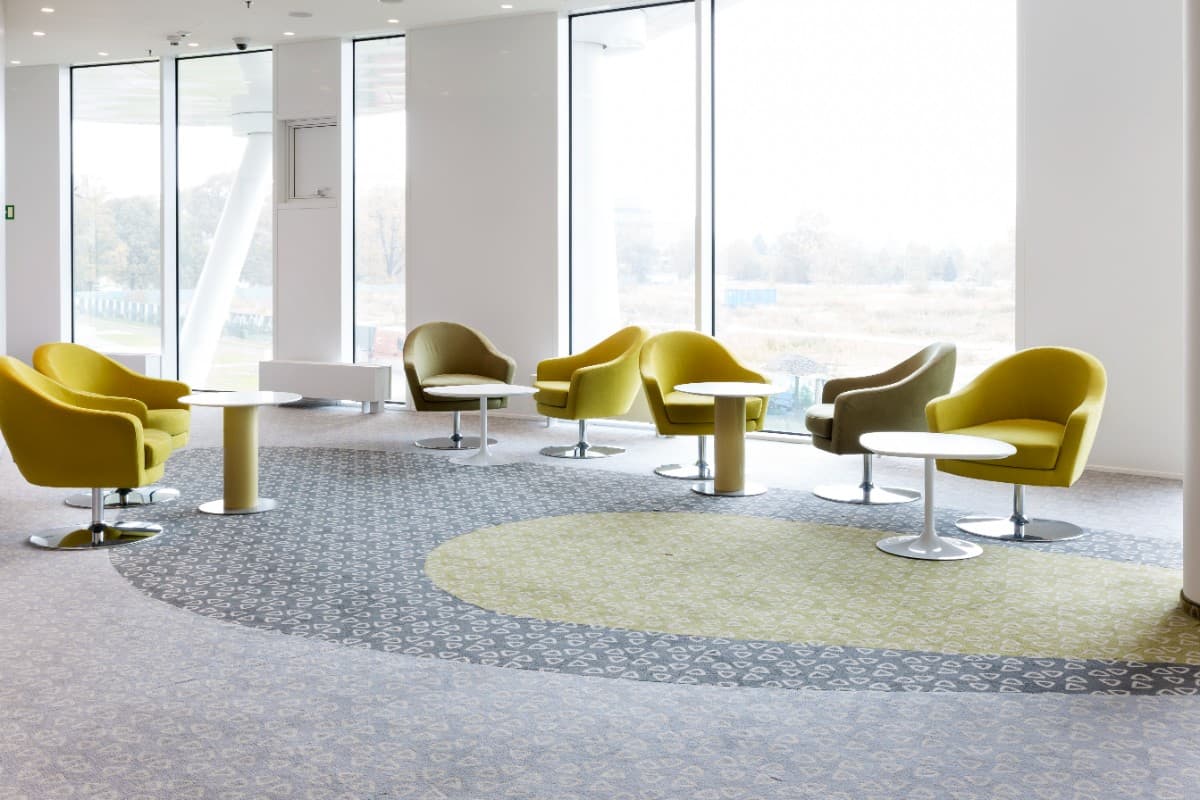
Commercial Low-Pile Carpet
Suitable for routine removal of:Dust, Hair, Lint, Fine particles, Light dry debris. Commercial robot vacuuming helps maintain carpet presentation between scheduled specialist deep cleaning or extraction.
PolarX commercial robot vacuum solutions are designed for real facility operations, supporting routine dust, hair, fine particle and light debris removal across suitable hard floors and commercial carpets. For shopping centres, hotels, aged care facilities, offices, public buildings and other high-traffic environments, the goal is simple: maintain cleaner floors more consistently while reducing repetitive manual floor-cleaning work. For large commercial spaces, choose a commercial-grade robot vacuum rather than a scaled-up home model. The key specifications are hourly coverage, dust capacity, runtime, navigation and filtration. PolarX Star60 covers up to 850 m² (about 9,150 sq ft) per hour, runs for 4 to 6 hours, has a 620 mm cleaning width and HEPA filtration, and cleans both hard floors and commercial low-pile carpet. For warehouses and industrial floors, PolarX Star50 covers up to 1,750 m² (about 18,800 sq ft) per hour with a 30 L dust bin.PolarX commercial robot vacuum solutions are designed for real facility operations, supporting routine dust, hair, fine particle and light debris removal across suitable hard floors and commercial carpets. For shopping centres, hotels, aged care facilities, offices, public buildings and other high-traffic environments, the goal is simple: maintain cleaner floors more consistently while reducing repetitive manual floor-cleaning work. For large commercial spaces, choose a commercial-grade robot vacuum rather than a scaled-up home model. The key specifications are hourly coverage, dust capacity, runtime, navigation and filtration. PolarX Star60 covers up to 850 m² (about 9,150 sq ft) per hour, runs for 4 to 6 hours, has a 620 mm cleaning width and HEPA filtration, and cleans both hard floors and commercial low-pile carpet. For warehouses and industrial floors, PolarX Star50 covers up to 1,750 m² (about 18,800 sq ft) per hour with a 30 L dust bin.
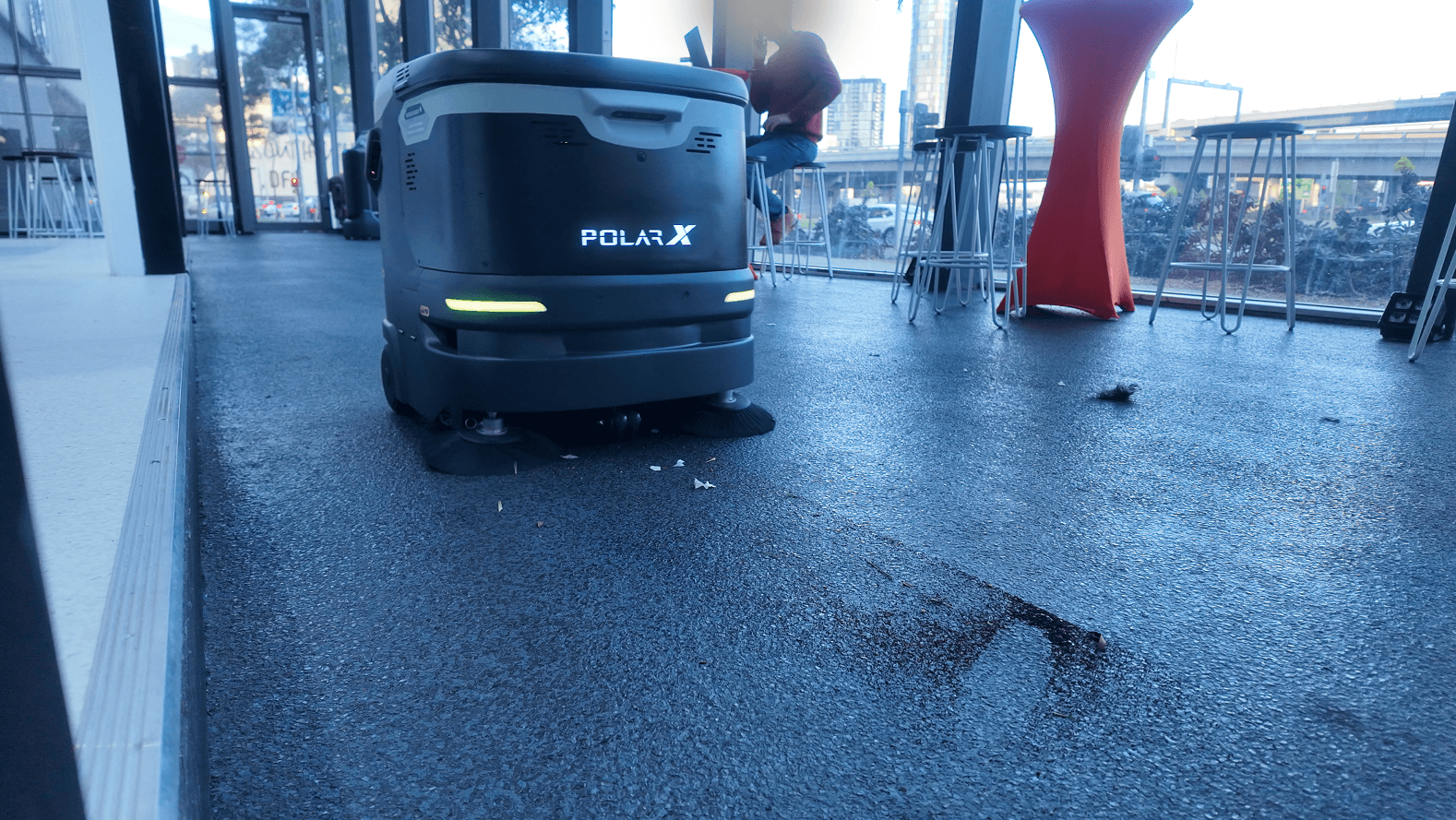
Send PolarX your facility type, floor surfaces and cleaning problem. We can point you to Star50, Star60, ROI planning or the right application page.
Buying a commercial robot vacuum is different from buying a domestic robotic vacuum. In a commercial environment, cleaning performance is only one part of the decision. Facility teams also need to consider:
A robot that performs well in a demonstration still needs to fit the daily workflow of the people who will actually use it.
Home and prosumer robot vacuums are designed for a few hundred square metres at most. In large commercial spaces they need frequent emptying and recharging, and their navigation is not built for public traffic.
| Specification | Home / prosumer robot vacuum | PolarX Star60 commercial robot vacuum | PolarX Star50 industrial sweeping robot |
|---|---|---|---|
| Coverage | Typically up to ~5,000 sq ft per charge | Up to 850 m²/h (~9,150 sq ft/h) | Up to 1,750 m²/h (~18,800 sq ft/h) |
| Dust capacity | Usually under 1 L | 7 L bin / 3 L bag | 30 L |
| Runtime | Typically 2–3.5 h | 4–6 h | Approx. 3–4 h |
| Cleaning width | Typically ~30 cm | 620 mm (~24 in) | 750 mm (~30 in) |
| Navigation | Home mapping | 2D LiDAR + four depth cameras | LiDAR |
| Floors | Home floors and rugs | Hard floors + commercial low-pile carpet | Concrete, epoxy |
| Built for | Homes, small offices | Offices, hotels, retail, healthcare | Warehouses, logistics, factories |
PolarX Star60 can achieve cleaning efficiency of up to 850 m² per hour in suitable open commercial environments.
However, real-world productivity depends on more than a headline coverage figure.
Furniture, narrow passages, customer traffic, temporary obstacles, floor transitions and the layout of the facility can all affect practical cleaning efficiency.
For this reason, robot selection should begin with the actual site rather than floor area alone.
Divide the daily cleaning area by a realistic hourly rate for your layout to estimate machine hours per day. Open corridors and lobbies run close to the rated figure; furnished or congested areas run slower. On very large sites, several robots on separate zones are usually more practical than one machine covering everything.
Commercial properties are rarely empty.
People walk through corridors. Trolleys move between areas. Chairs are repositioned. Deliveries arrive. Temporary displays appear in shopping centres and hotels.
Star60 uses 2D LiDAR and four depth cameras to support navigation and obstacle detection in commercial environments.
Once the facility is mapped, cleaning areas, routes and restricted zones can be configured around the site's operating requirements.
If a layout changes substantially, routes or mapping may need to be adjusted. This is an important part of commercial deployment and should be considered during the initial site assessment.
For multi-storey properties, each level and the process for moving robots between floors should also form part of the deployment plan.
Noise matters differently in commercial properties.
A shopping centre may need cleaning while customers are present. A hotel may require cleaning through the evening. An aged care facility cannot simply stop operating while floors are maintained.
Star60 is designed for low-noise commercial operation, making it suitable for daytime or overnight cleaning in occupied facilities.
Because daily cleaning is waterless, floors also remain immediately usable without waiting for routine wash water to dry.
This is particularly valuable in:
Different commercial floors require different cleaning approaches. Star60 is designed primarily for routine waterless floor care across suitable commercial hard floors and low-pile carpets.
Suitable for routine removal of:Dust, Hair, Lint, Fine particles, Light dry debris. Commercial robot vacuuming helps maintain carpet presentation between scheduled specialist deep cleaning or extraction.
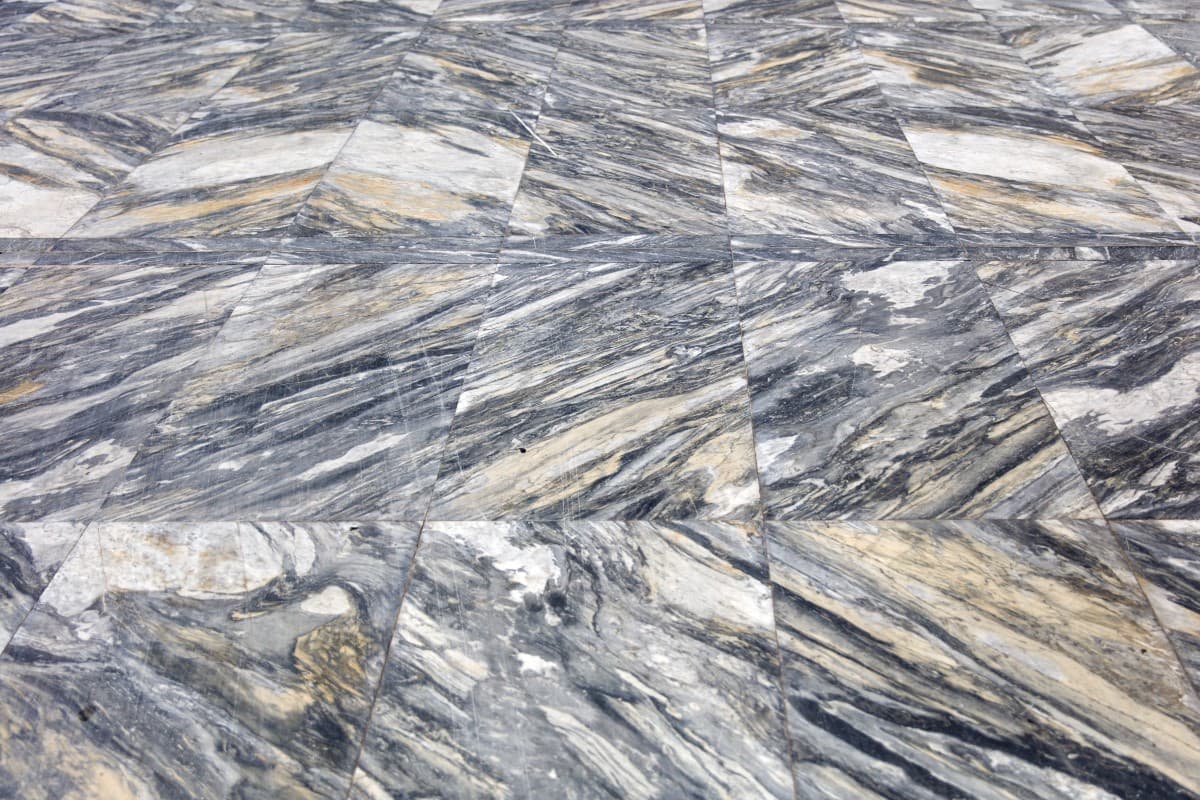
Supports regular dust removal and appearance maintenance while reducing unnecessary daily exposure to water.
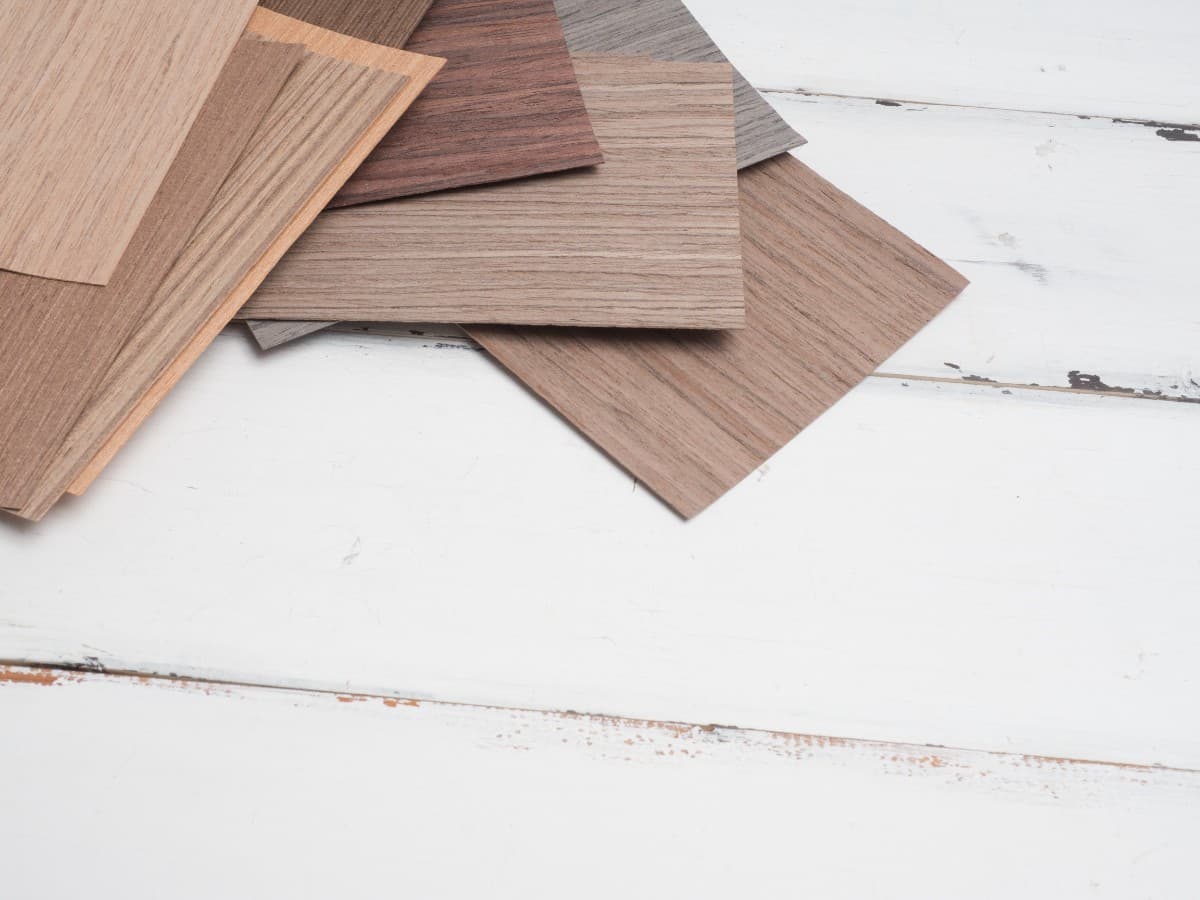
Suitable for high-frequency waterless cleaning in corridors, healthcare environments, retail spaces and other busy commercial areas.
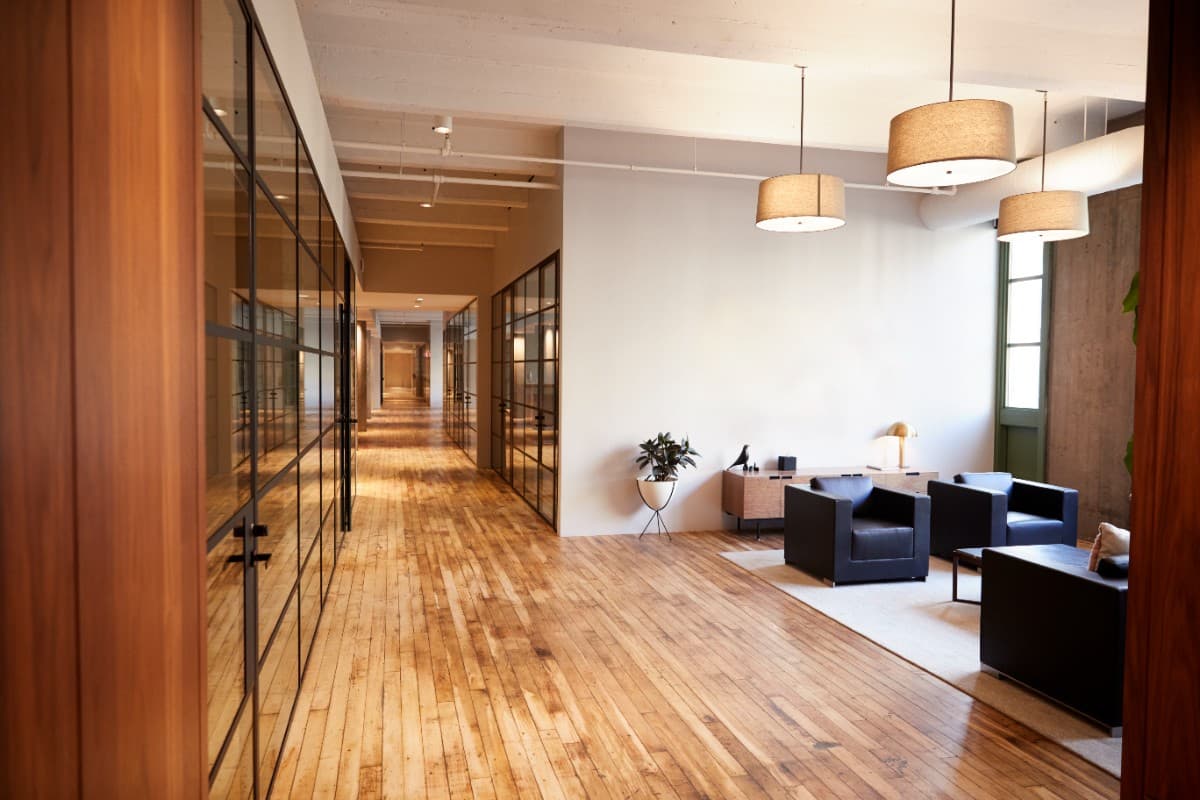
Supports daily dust control and presentation cleaning for polished commercial surfaces.
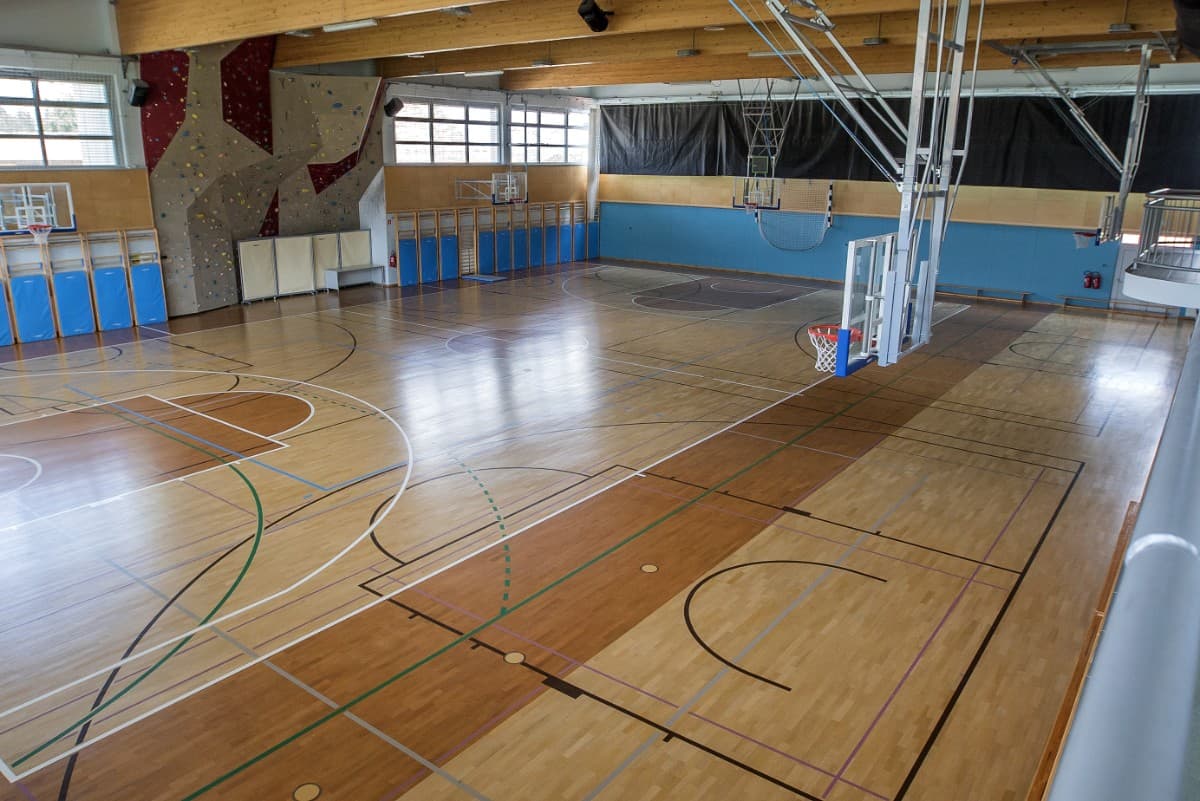
Can support routine dry maintenance where the surface condition and site requirements are suitable.
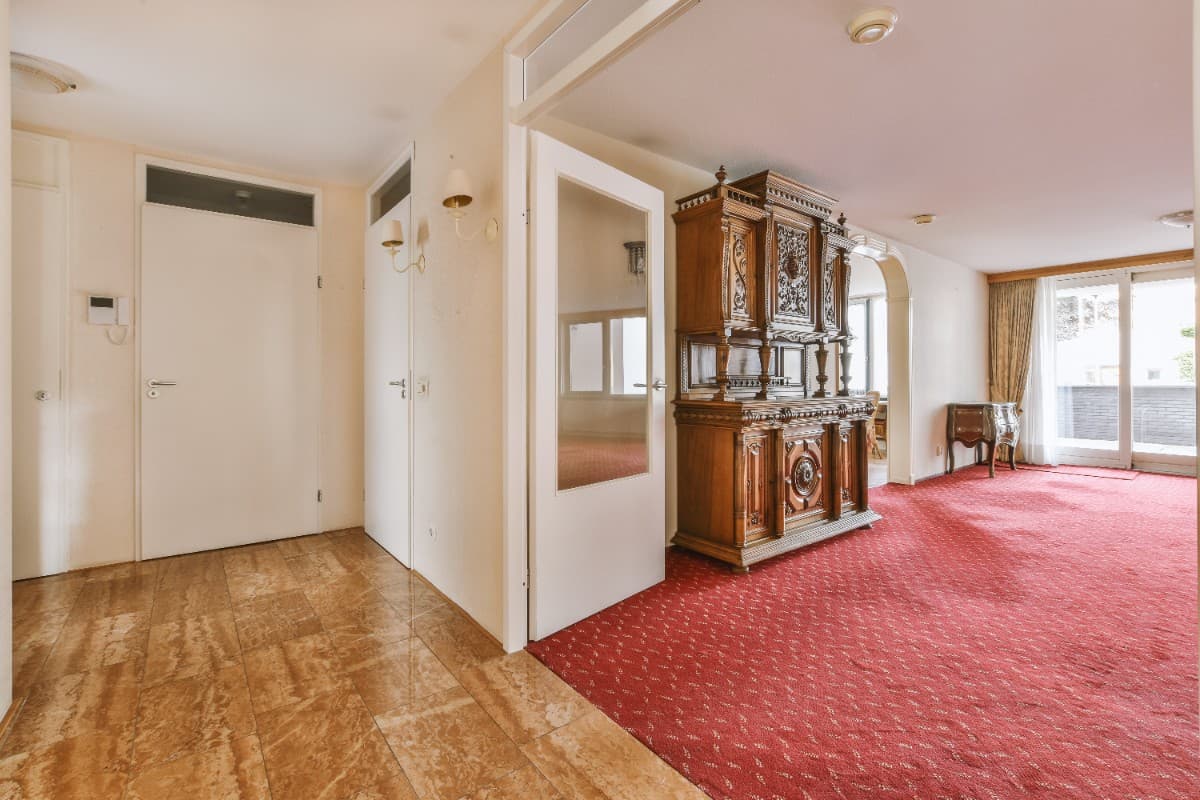
One of the major advantages for commercial properties is the ability to include suitable carpet and hard-floor areas within the broader cleaning workflow rather than operating completely separate daily cleaning systems.
Shopping centres need floors to remain presentable across long opening hours while pedestrian traffic continues around the cleaning operation.
Typical areas include:
Waterless cleaning helps reduce routine wet-floor disruption while automated scheduling supports more consistent presentation cleaning.
Hotels and commercial buildings often combine multiple floor surfaces with long operating hours.
Suitable areas may include:
Routine vacuuming and floor care can be scheduled around guest and tenant traffic.
Healthcare and aged care environments place additional importance on operational disruption, floor safety, noise and IT considerations.
Waterless daily floor care can support routine cleaning without leaving floors wet after each cleaning cycle.
Offline deployment and operation may also be useful where continuous external network connectivity is restricted.
Typical areas include:
Large offices contain repetitive cleaning areas that can consume significant staff time.
Commercial robot vacuuming can support:
Automation allows cleaning teams to concentrate more of their time on desks, bathrooms, detail cleaning, spills and other tasks that still require people.
Schools, universities and sports facilities experience repeated daily traffic across halls, corridors and shared spaces.
Suitable applications can include:
Scheduling cleaning between activity periods can help maintain floors throughout the day.
Large public facilities often combine high foot traffic with long operating hours.
Commercial robot vacuum systems can support repeatable cleaning routes while allowing staff to focus on high-touch, detailed and exception-based cleaning tasks.
For facility management companies, the purchasing question is not only whether one robot can clean one building.
The larger question is whether robotic cleaning can be deployed consistently across multiple customer sites.
Important considerations include:
A robot platform becomes significantly more valuable when it can be incorporated into an existing cleaning operation rather than managed as a separate technology project.
During deployment, the facility is mapped and cleaning areas are defined. Zones can then be configured around the facility's real cleaning requirements.
Cleaning routes can be created for specific areas, while restricted areas or locations that should not be entered can be excluded.
Cleaning tasks can be scheduled for suitable operating periods. This may include daytime cleaning, overnight cleaning or multiple cleaning cycles depending on the facility.
Sensors help the robot respond to people and objects that were not present when the original map was created.
After a cleaning run, operational records can help facility teams understand which areas were covered and identify incomplete areas requiring attention.
Purchase price alone does not determine whether a robot is economical. A commercial cleaning robot should be evaluated against the cost of the current cleaning workflow. Key inputs include:
How many staff hours are currently spent on repetitive vacuuming and floor cleaning?
How many times does each area need to be cleaned per day or week?
How many productive cleaning hours can the robot realistically achieve?
Which cleaning tasks still need to be completed by staff?
Include routine maintenance, filters, brushes, consumables and servicing.
Consider how service availability and maintenance complexity affect long-term utilisation.
For high-value floors, the cleaning method may also influence long-term maintenance and replacement costs.
For occupied commercial properties such as shopping centres, hotels, healthcare facilities, aged care, offices, education facilities and public buildings, Star60 is the primary PolarX platform for waterless daily floor care across suitable hard floors and commercial carpets.
For warehouses, logistics facilities and industrial floors, Star50 is designed for heavier dry sweeping, dust control and debris collection. Star50 has a 750 mm cleaning width, covers up to 1,750 m² (about 18,800 sq ft) per hour and has a 30 L dust bin with dual HEPA filtration.
Large mixed-use properties may benefit from combining both platforms for different parts of the facility.
Start With Your Site
Tell PolarX about:
We can help assess the cleaning environment and recommend the most practical deployment approach.
A commercial-grade robot vacuum with high hourly coverage, a large dust bin, long runtime and LiDAR navigation. PolarX Star60 covers up to 850 m² (about 9,150 sq ft) per hour on hard floors and commercial low-pile carpet, with 4–6 hours of runtime and HEPA filtration. For warehouses, PolarX Star50 covers up to 1,750 m² per hour with a 30 L dust bin.
Only small areas. Home models have small bins, shorter runtimes and navigation designed for homes, so large spaces require frequent emptying, recharging and supervision.
It depends on the daily cleaning area, layout and schedule. Estimate machine hours by dividing the daily area by a realistic hourly rate for the site, then split large sites into zones. PolarX can prepare a site assessment.
Yes, depending on the robot and the floor conditions. PolarX Star60 supports routine waterless cleaning across suitable commercial low-pile carpet and hard floors including PVC, tile, stone, polished surfaces and suitable sealed timber.
Star60 has a maximum cleaning efficiency of up to 850 m² (about 9,150 sq ft) per hour in suitable open commercial environments. Real-world coverage depends on the layout, traffic, furniture, obstacles and cleaning route.
Star60 is designed for low-noise operation in occupied commercial environments. Waterless cleaning also means routine cleaning does not leave the floor wet after the robot passes.
No. The strongest use case is automating repetitive floor-cleaning work while staff focus on spills, edges, washrooms, detail cleaning and other tasks requiring human judgement.
Commercial deployment can include mapping, route setup, operator training and ongoing support. Remote technical assistance can also be used where customer permission and IT policies allow it.
Tell PolarX about your floor surfaces, facility type, cleaning frequency and current workflow so we can help review the right starting point.