
PolarX Robotics

Comparison guide

Robotic Floor Scrubber vs Waterless Cleaning Robot: An Autonomous Floor Scrubber Comparison

A robotic floor scrubber, also called an autonomous floor scrubber or robot floor scrubber, is a self-driving scrubber-dryer that cleans hard floors without an operator. It uses sensors and a stored map to navigate, applies water and detergent, scrubs with brushes or pads, and vacuums dirty water into a recovery tank. This guide explains how they work, what they cost, and when a waterless cleaning robot is the better choice for daily floor care.

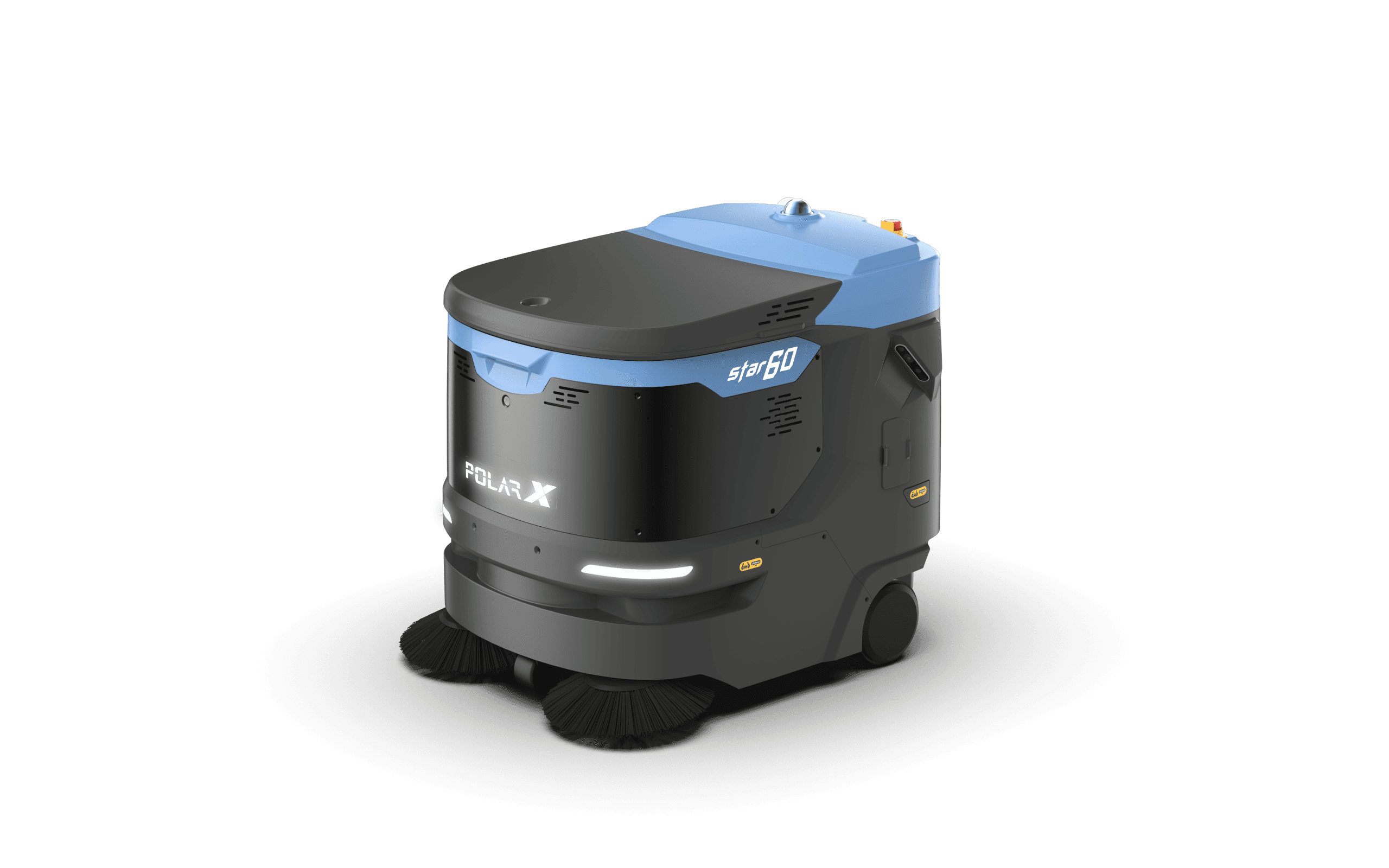
PolarX Star60 waterless commercial cleaning robot for floor care comparison

What is a robotic floor scrubber?

A robotic floor scrubber is an automated version of the walk-behind or ride-on scrubber-dryer used across commercial cleaning. The cleaning system stays the same; a navigation system and onboard computer replace the operator. Robotic floor scrubber, autonomous floor scrubber, robot floor scrubber and autonomous scrubber-dryer all describe the same category of machine.

Most autonomous floor scrubbers share the same core components:

  • Solution tank: holds clean water and detergent.
  • Scrub deck: disc brushes, cylindrical brushes or pads that agitate the floor.
  • Squeegee and vacuum motor: collect dirty water from the floor surface.
  • Recovery tank: stores dirty water until someone drains it.
  • Navigation sensors: typically LiDAR, cameras and proximity sensors for mapping and obstacle avoidance.
  • Battery and charging: some models add a docking station for charging, and on some systems water refill and drain.

Many robotic floor scrubbers can also be driven manually, so operators can switch to spot cleaning when needed.

How does an autonomous floor scrubber work?

An autonomous floor scrubber works in four stages. Automation takes over the driving, but the water handling still has to happen.

  1. 1. Mapping the cleaning route

    Before the first autonomous run, the site is mapped. On many systems an operator drives the robotic floor scrubber through the route once and the robot records it. Others build a map and plan coverage automatically, then cleaning zones, no-go areas and schedules are set in software.

  2. 2. Navigating and avoiding obstacles

    During cleaning, sensors track the robot's position against the map and detect people, shelving, trolleys and other obstacles. The robot slows, reroutes or stops when something is in its path.

  3. 3. Running the wet cleaning cycle

    The autonomous floor scrubber dispenses water and detergent and scrubs the floor with brushes or pads. The squeegee and vacuum then lift the dirty water into the recovery tank.

  4. 4. Refilling, draining and reporting

    When the solution tank runs low or the recovery tank fills, the robot stops or returns to base. Someone, or a docking station on some models, refills clean water and drains the wastewater. Cleaning reports are usually available in an app or web portal.

In short, a robotic floor scrubber automates the driving, not the water handling.

Robotic floor scrubber vs waterless cleaning robot: side-by-side comparison

A waterless cleaning robot automates the daily maintenance layer of floor care without putting water on the floor: dust control, light debris removal, sweeping, vacuuming and appearance maintenance. Floors stay dry and usable, with no wastewater to drain and no squeegee blades to replace. Here is how it compares with an autonomous floor scrubber.

FactorRobotic floor scrubber (water-based)Waterless cleaning robot
Floor condition after passDamp to wet, with drying time requiredInstantly dry and usable
Slip risk in occupied spacesPresent during and after cleaningMinimal, as no water is dispensed
Daily operator tasksFill clean tank, dose chemical, drain recovery tank, rinse tank, check squeegeeEmpty debris hopper, routine checks
Water-system componentsTanks, pumps, hoses, filters, valves, squeegee assemblyNone
Common failure modesClogged lines, pump faults, worn squeegees, tank odourFewer, mainly brush and filter consumables
Best atRemoving ground-in soil, oils, sticky residueDaily dust control, debris removal, appearance maintenance
Carpet capabilityGenerally hard floors onlyHard floors and low-pile commercial carpet (platform-dependent)
Operating windowOften restricted to after-hours due to wet floorsCan run during operating hours
Water and chemical useOngoing consumption and wastewater handlingNone in daily operation
Fit within 95/5 strategyThe 5%: targeted and scheduled deep cleaningThe 95%: high-frequency daily maintenance

Choose a robotic floor scrubber when wet soil, grease or sticky residue is the routine problem and you have an after-hours window for it.

Choose a waterless cleaning robot when the daily problem is dust, sand, hair and light debris, and floors must stay dry while people are on site.

Use both when daily maintenance is mostly dry but some areas still need scheduled wet scrubbing. Learn more about waterless cleaning technology or read the waterless vs traditional scrubbing guide.

Where a robotic floor scrubber delivers the most value

A robotic floor scrubber earns its place where the floor genuinely needs water and detergent. Autonomous floor scrubbers are strongest in four situations:

  • Ground-in soil, oil films and sticky residue that dry methods cannot lift, such as in food courts, supermarkets and production areas.
  • Large, open, uncluttered hard floors, where long uninterrupted runs maximise coverage per tank and per charge.
  • Sites with a defined after-hours cleaning window, so floors have time to dry before people return.
  • Scheduled deep cleaning and restorative scrubbing, where a consistent, repeatable wet pass matters.

These are targeted tasks. In most facilities they represent a small share of total cleaning time, which is the basis of the 95/5 Cleaning Strategy: automate the high-frequency daily work without water, and keep wet scrubbing for the 5% that needs it.

The hidden costs of an autonomous floor scrubber

Wet floors and slip risk

Every wet-scrubbing pass leaves at least a thin film of moisture, and streaks or squeegee misses leave more. In occupied environments such as healthcare, aged care, retail, hotels and schools, wet floors during operating hours are a live slip-and-fall liability. Many facilities respond by scheduling scrubbers only after hours, which shrinks the robot's usable window and its ROI.
Wastewater, odour and dirty-tank cleaning

Recovery tanks fill with dirty water that must be drained, and tanks that are not cleaned thoroughly develop odour and biofilm. Someone on your team does this every operating day. It is unpleasant, easy to skip, and skipping it degrades cleaning quality and hygiene.

More failure points: pumps, pipes, hoses, filters, squeegees

A water system adds an entire chain of wear parts and blockage points. Clogged pipes, worn squeegee blades and pump faults are among the most common reasons autonomous scrubbers sit idle waiting for service. Every failure point is downtime, a service call, or both.

Higher training and service burden

The more daily steps a machine requires, from filling and dosing to draining, rinsing and blade inspection, the more ways frontline teams can use it incorrectly, and the more support your service partner has to provide.

How to choose: robotic floor scrubber or waterless robot?

Answer five questions before you buy an autonomous floor scrubber:

  1. Is your dominant daily soil dry (dust, sand, debris) or wet and sticky?
  2. Do floors need cleaning while people are on site?
  3. Who will fill, drain and clean the tanks every day?
  4. Are your floors hard surfaces only, or a mix of hard floor and carpet?
  5. What local service support is available when the water system fails?

If most answers point to dry soil, occupied spaces and limited staff time, a waterless robot is likely the better daily tool. Keep a robotic floor scrubber, or periodic wet scrubbing, for targeted tasks.

Hospitals and aged care

Dry floors during operating hours are a safety requirement, not a nice-to-have. Choose waterless daily care, with wet disinfection only where protocols require it.

Retail and shopping centres

High traffic all day means no window for wet floors. Waterless robots maintain presentation during trading hours.

Warehouses and logistics

The dominant daily problem is dust and debris, not soil films. Industrial waterless sweeping with Star50 covers most of the workload.

Hotels and commercial buildings

Mixed hard floor and carpet estates favour a single waterless platform for daily care, with scheduled deep cleaning for stone and carpet extraction.

Recommended PolarX platform

Review the product platform that best matches this cleaning mission, then confirm fit by floor type, site layout and operating workflow.

Commercial Floor Care
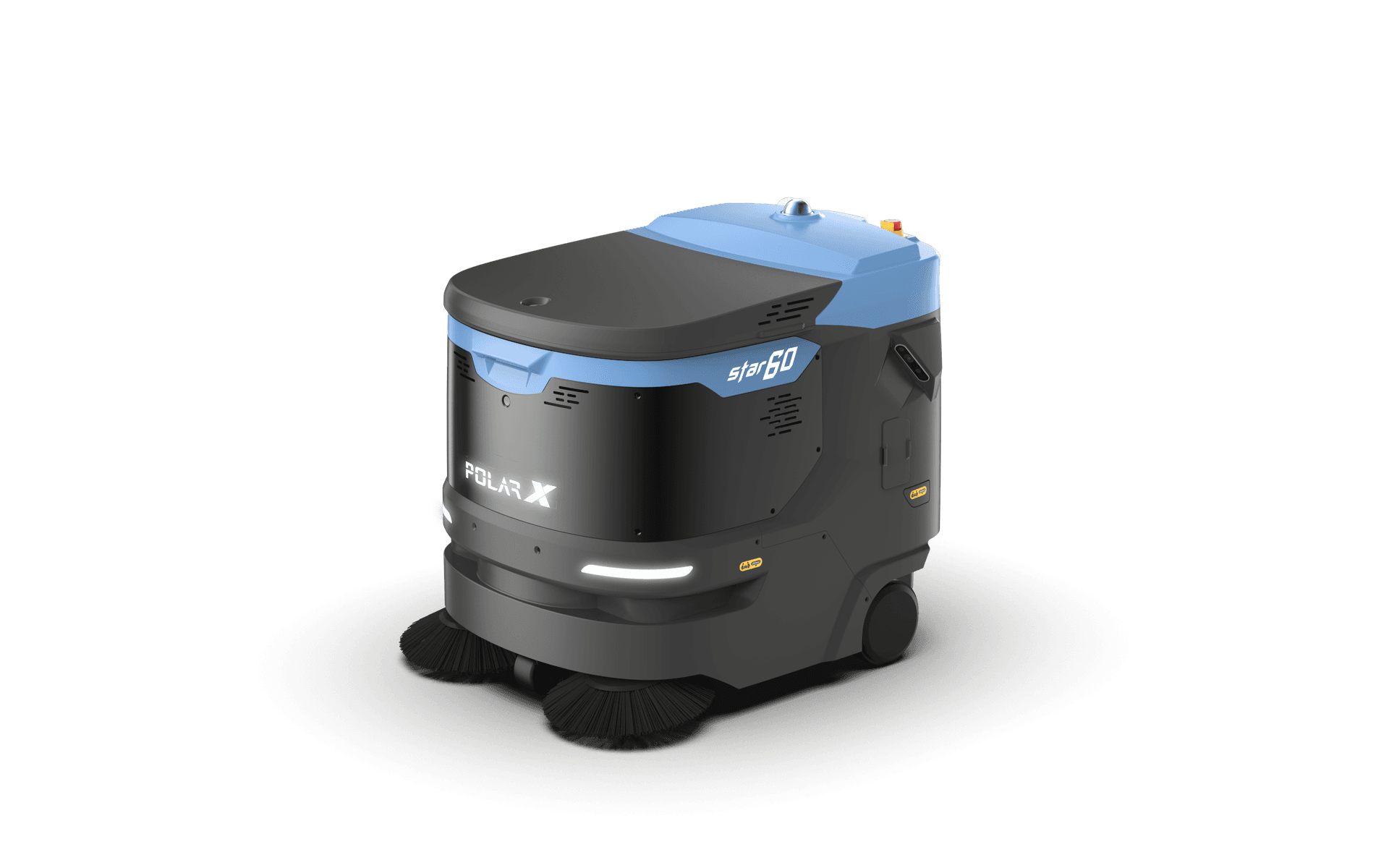
Star60 standard commercial floor care robot angled product view

Star60

Waterless Autonomous Floor Care System

Star60 is a waterless autonomous floor care system designed for daily commercial floor maintenance across open, high-traffic indoor environments.

Common buying questions

Is a robotic floor scrubber the same as an autonomous floor scrubber?+

Yes. Both terms describe a self-driving scrubber-dryer that cleans hard floors with water and detergent without an operator. Some suppliers also call it a robot floor scrubber or autonomous scrubber-dryer.

Can an autonomous floor scrubber run while people are in the building?+

It can navigate around people, but it leaves floors damp, so slip risk remains until they dry. Many sites schedule wet scrubbing after hours for this reason.

Does a robotic floor scrubber still need daily maintenance?+

Yes. Someone must fill the solution tank, drain and rinse the recovery tank, and check squeegees, brushes and filters, unless a docking station automates part of this.

Can a robotic floor scrubber clean carpet?+

Generally no, because robotic floor scrubbers are designed for hard floors. Waterless robots such as Star60 can handle hard floors and low-pile commercial carpet.

Is a robotic floor scrubber worth it?+

It depends on floor area, labour costs and soil type. It pays off where wet soil is the daily problem and an after-hours window exists. Where daily soil is mostly dry, a waterless robot often delivers more usable hours, and the ROI calculator shows the difference.

Does a waterless cleaning robot replace every robotic floor scrubber?+

No. Waterless robots are best for daily dry floor care, dust control and appearance maintenance. Wet scrubbing is still useful for heavy contamination, sticky residue, spills and scheduled deep cleaning.

Review this cleaning mission with PolarX.

Share your facility type, floor surfaces, cleaning schedule and current labour pressure so PolarX can help review product fit.