
Define the contamination.
Fine dust, coarse debris, packaging waste, pallet splinters or metal swarf each behave differently and demand different filtration and hopper capacity.
Automate sweeping, dust control and debris collection across concrete and epoxy floors, also in aisles and operational areas that stay in use.Automate sweeping, dust control and debris collection across concrete and epoxy floors, also in aisles and operational areas that stay in use.
Send PolarX your facility type, floor surfaces and cleaning problem. We can point you to Star50, Star60, ROI planning or the right application page.
An industrial cleaning robot is built for dust, debris and abrasive contamination across large operational floor areas like warehouses, distribution centres, factories, exhibition halls and logistics facilities.
The cleaning mission is different from a commercial building. Industrial floors are usually concrete or epoxy rather than tile or carpet, the contamination is dust and hard debris rather than foot traffic soil, and the layout is defined by racking, pallets and vehicle movement rather than open public space. Coverage and dust capacity matter more than finish quality.
PolarX addresses this layer with Star50, an industrial sweeping and dust control platform. Star60 remains the option for commercial and public-facing areas on the same site.
A good buying process reviews the operating environment before comparing headline specifications.
Fine dust, coarse debris, packaging waste, pallet splinters or metal swarf each behave differently and demand different filtration and hopper capacity.
Concrete, epoxy, sealed or bare; racking aisle widths; dock areas; forklift routes; ramps and thresholds.
Between shifts, overnight, or alongside operations. This decides whether the robot ever gets a clear run.
Who empties the hopper, who clears a blocked aisle, who responds to an exception and how often.
Labour hours on sweeping, dust-related equipment wear, product contamination risk, and manual follow-up work.
Most industrial cleaning robot comparisons are written for US or European sites. Australian warehouses and factories have a few extra questions worth settling before the site review.
Star50, the industrial default
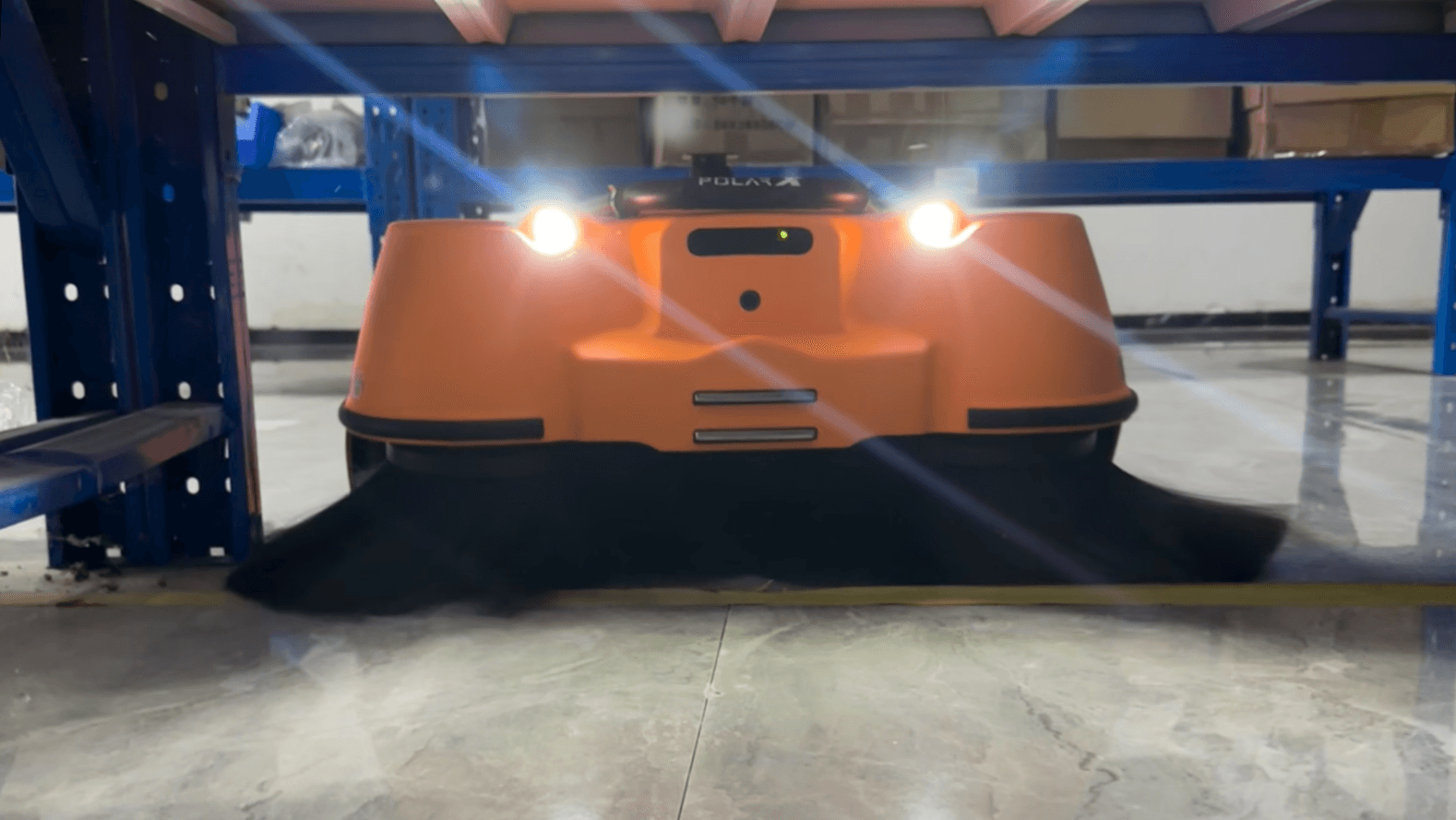
Built for sweeping, vacuuming, dust control and debris collection across warehouses, factories, exhibition halls and dusty commercial zones. Designed for racking systems and low-clearance operational spaces.
Facility paths
Use these entry points to move from the general industrial cleaning robot category into a specific buying question.
Next pages
These pages help customers move from the main industrial cleaning robot guide into product selection, proof points, downloads or contact.
An industrial cleaning robot is designed to automate repetitive floor cleaning in warehouses, factories, logistics centres and other large facilities. It can help reduce manual sweeping while maintaining more consistent cleaning coverage.
Depending on the model, industrial cleaning robots can operate on concrete, epoxy and other sealed industrial floors. Some models can also handle suitable carpeted areas in mixed-floor facilities.
Industrial cleaning robots are typically used for dry debris such as dust, gravel, wood chips, packaging fragments and other loose materials commonly found in industrial environments.
Yes, in many cases. Robots can be scheduled during quieter periods or operate alongside normal activities, depending on forklift traffic, aisle conditions and the site's safety requirements.
Compact industrial robots are designed to navigate tighter spaces such as warehouse aisles, racking areas and equipment lines. Actual suitability depends on aisle width, clearance and obstacles on site.
Coverage depends on cleaning speed, battery runtime, route complexity and site traffic. PolarX Star50 offers cleaning efficiency of up to 1,750 m² per hour with approximately 3–4 hours of runtime.
Not completely. Robots are best suited to repetitive, large-area cleaning, while staff can focus on detailed cleaning, spills, corners and other tasks that require manual attention.
Consider your floor type, total cleaning area, debris level, aisle width, operating hours and cleaning frequency. A site assessment can help determine whether the robot fits your facility and expected workload.
Tell PolarX about your floor surfaces, facility type, cleaning frequency and current workflow so we can help review the right starting point.
