
Commercial Floor Care
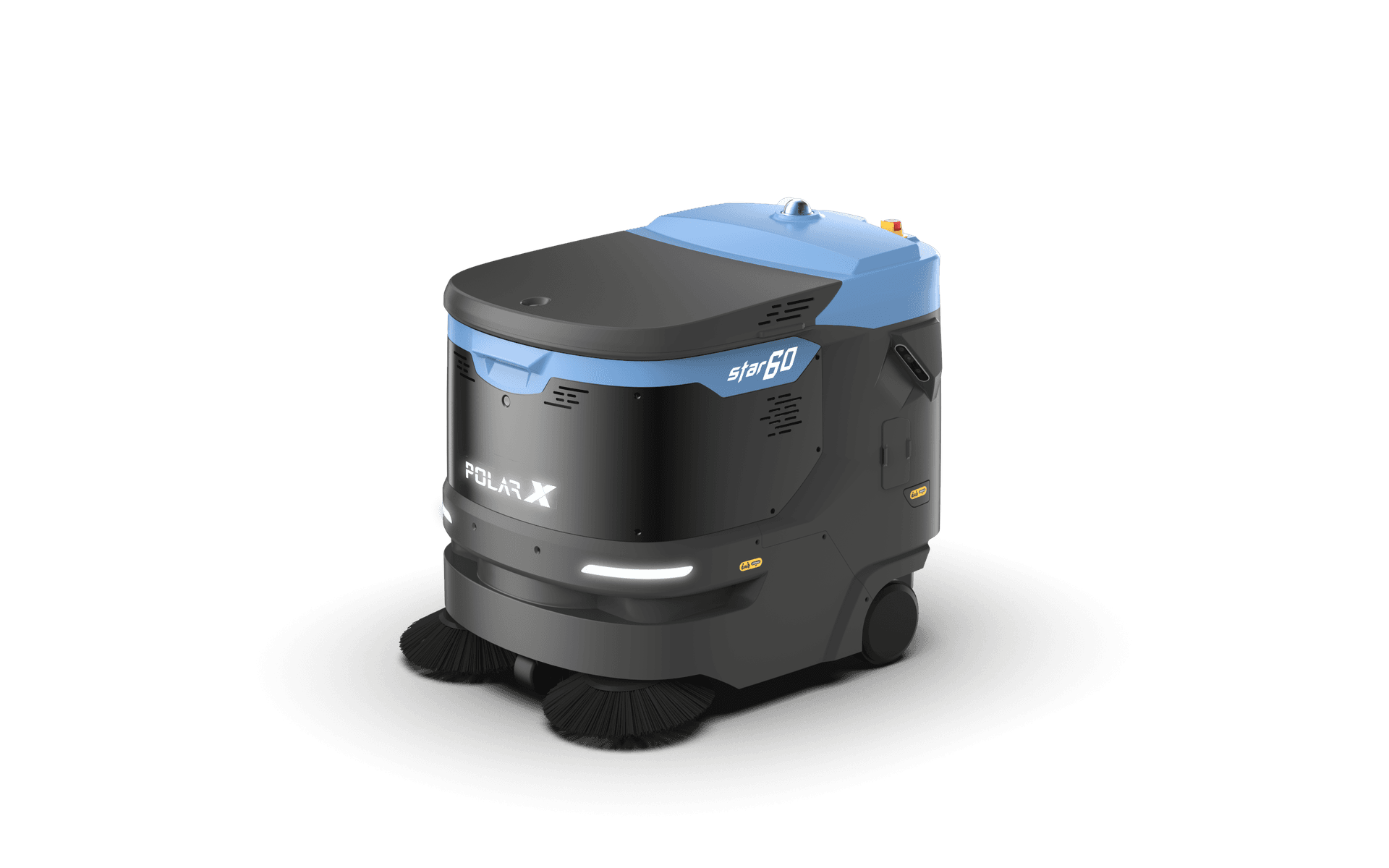
Star60
Waterless Autonomous Floor Care System
Star60 is a waterless autonomous floor care system designed for daily commercial floor maintenance across open, high-traffic indoor environments.
Australia ROI planning
Australian facility managers and cleaning contractors should review commercial cleaning robot ROI around labour hours, cleaning frequency, floor layout, utilisation, service support and the type of floor-care work being automated.
The most useful ROI conversation starts with the repetitive floor-cleaning hours currently required across the facility. Purchase price matters, but labour pressure, frequency and utilisation usually decide whether automation creates measurable value.
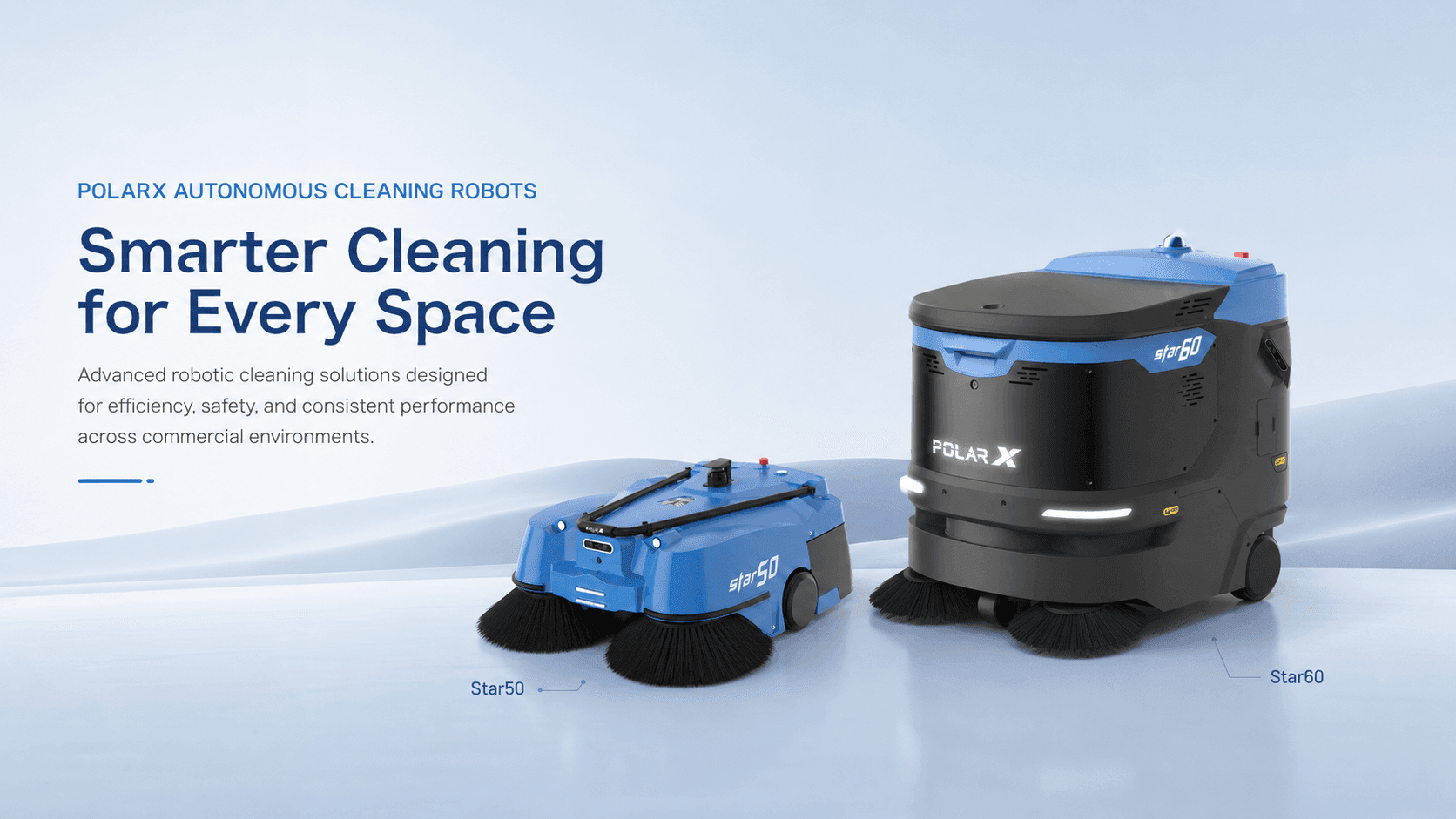
A Star60 waterless floor-care ROI model is different from a Star50 warehouse sweeping ROI model. Australian buyers should calculate value around the task that the robot is actually expected to perform every day.
A commercial cleaning robot only creates ROI when it is used consistently. Training, route repeatability, easy maintenance and local support all affect whether the robot becomes part of normal daily operations.
For Australian commercial buildings, ROI can include more than labour hours. Waterless floor care may reduce routine water handling, dirty-water disposal, wet-floor signage and disruption in occupied areas.
Use the PolarX ROI calculator and ROI guide as planning tools, then confirm assumptions through a facility review. ROI should be modelled conservatively and adjusted for the actual site.
Review the product platform that best matches this cleaning mission, then confirm fit by floor type, site layout and operating workflow.
Waterless Autonomous Floor Care System
Star60 is a waterless autonomous floor care system designed for daily commercial floor maintenance across open, high-traffic indoor environments.
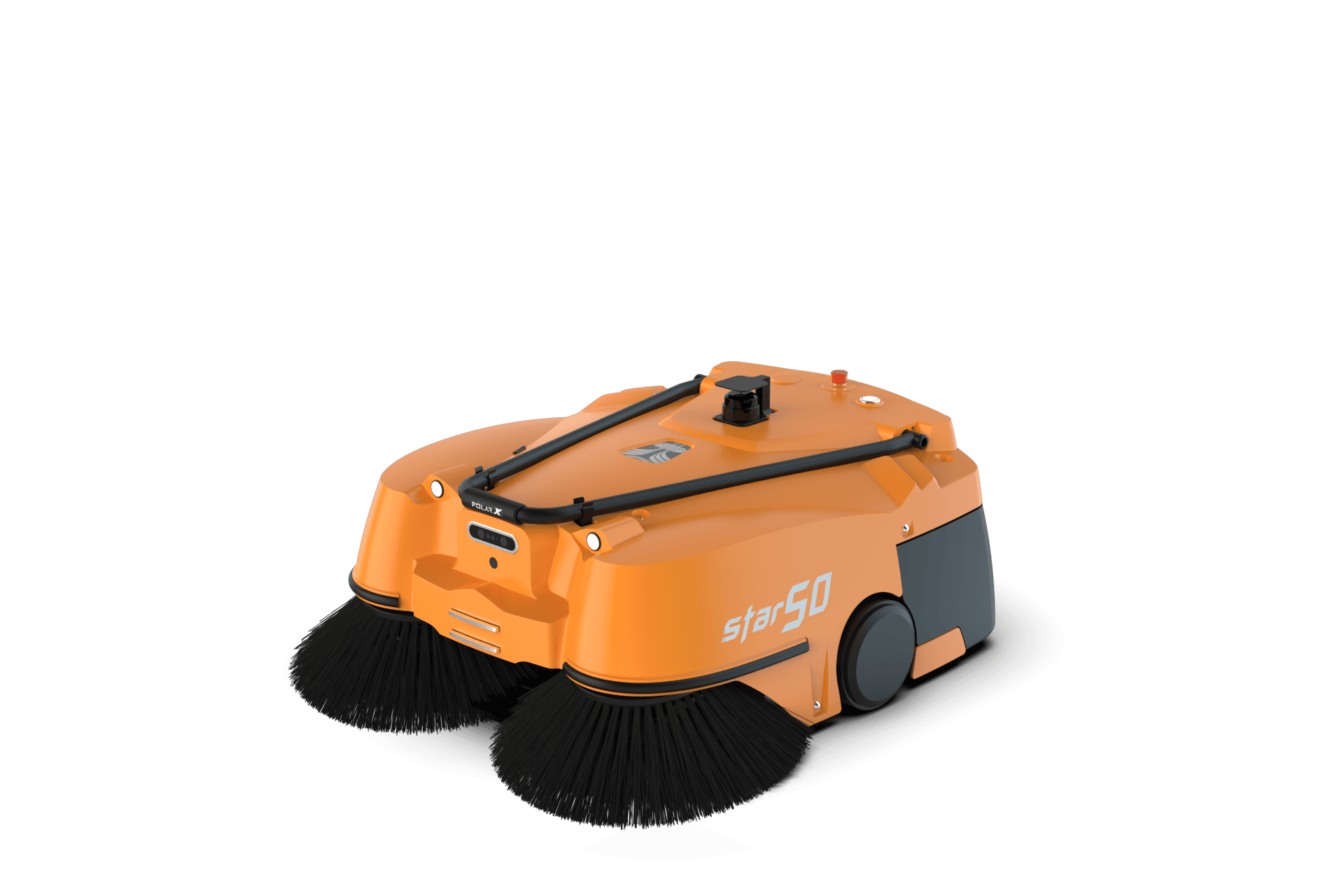
Industrial Autonomous Sweeper
PolarX Robotics Star50 is an autonomous robot sweeper and vacuum for large warehouses, factories and logistics sites. It sweeps and vacuums dry dust and debris from concrete and epoxy floors without water, and its 333 mm body reaches under racking and machinery. In real sites it covers about 1,000 m² per hour, or roughly 3,000–4,000 m² per charge.
Start with labour hours, cleaning days, labour cost, floor area, route repeatability, expected utilisation, consumables, service support and the percentage of repetitive floor-care work the robot can realistically reduce.
No. Floor area is useful, but ROI depends on cleaning frequency, staff workflow, layout complexity, manual follow-up work, traffic, floor type and how consistently the robot is used.
Use Star60 for waterless commercial floor care in occupied spaces, and Star50 for warehouse sweeping, dust control and dry debris collection.
It can, where those savings are relevant to the cleaning workflow. Labour utilisation is usually the largest input, but water handling, chemical use, disruption and rework can also be included conservatively.
Share your facility type, floor surfaces, cleaning schedule and current labour pressure so PolarX can help review product fit.