Epoxy floors are common in warehouses, workshops, factories, showrooms, commercial kitchens, laboratories and back-of-house facilities. They are durable, but they still need consistent cleaning to protect appearance, traction and surface condition.
A cleaning robot for epoxy floors should be selected with surface protection in mind. The goal is not only to remove visible dirt, but also to prevent abrasive debris from being dragged across the floor over time.
Why Epoxy Floors Need Regular Care
Dust, sand, pallet debris and fine grit can reduce the gloss and visual quality of epoxy surfaces. In industrial environments, this debris can accumulate quickly around loading areas, storage zones and equipment routes.
Regular robotic sweeping or dry floor care can help remove abrasive material before it affects the floor finish.
Sweeping vs Wet Cleaning
Wet cleaning can be useful for spills or deeper cleaning, but daily epoxy floor maintenance often starts with dust and debris removal. If loose grit remains on the floor, wet cleaning may spread residue instead of solving the underlying issue.
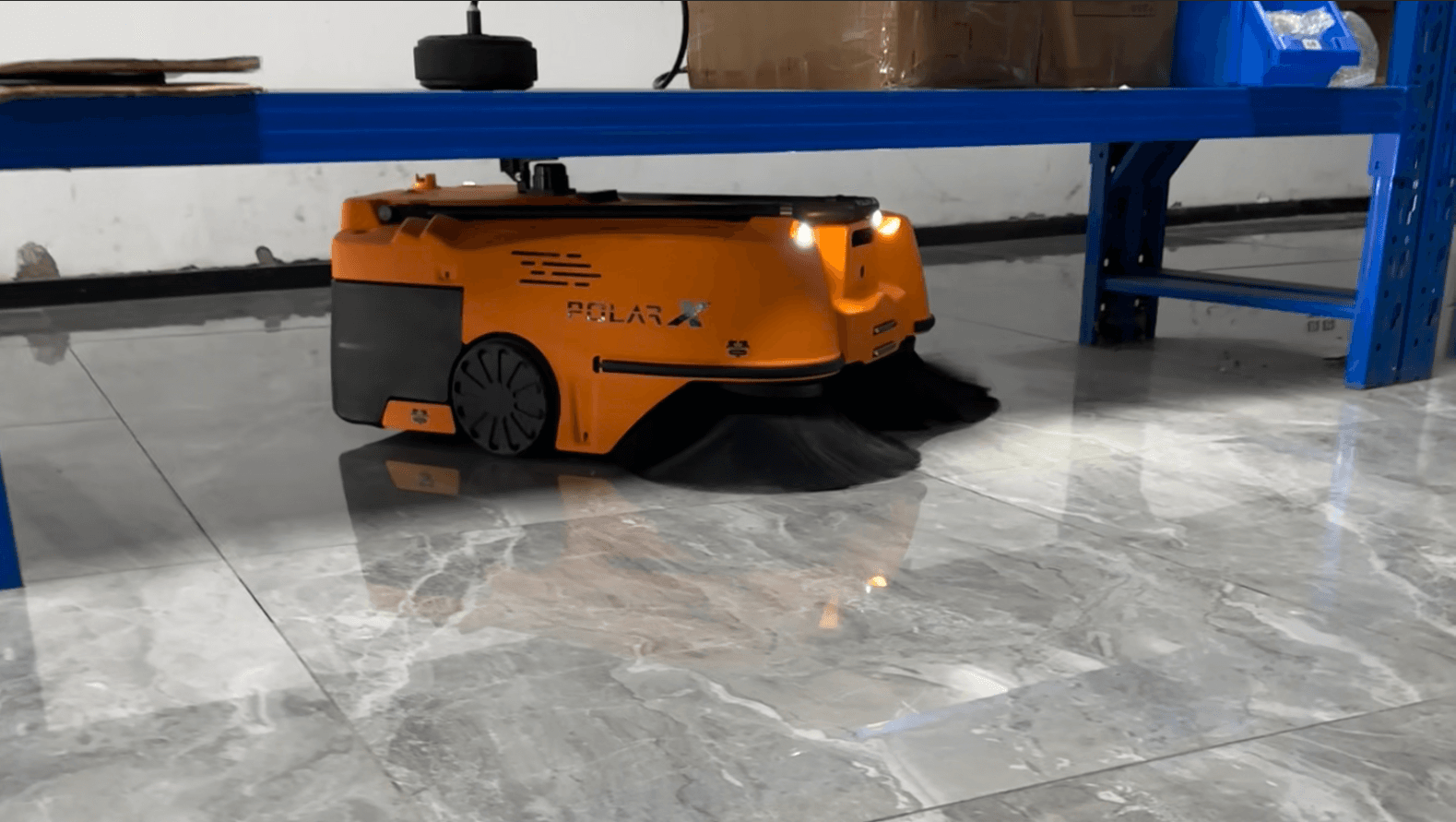
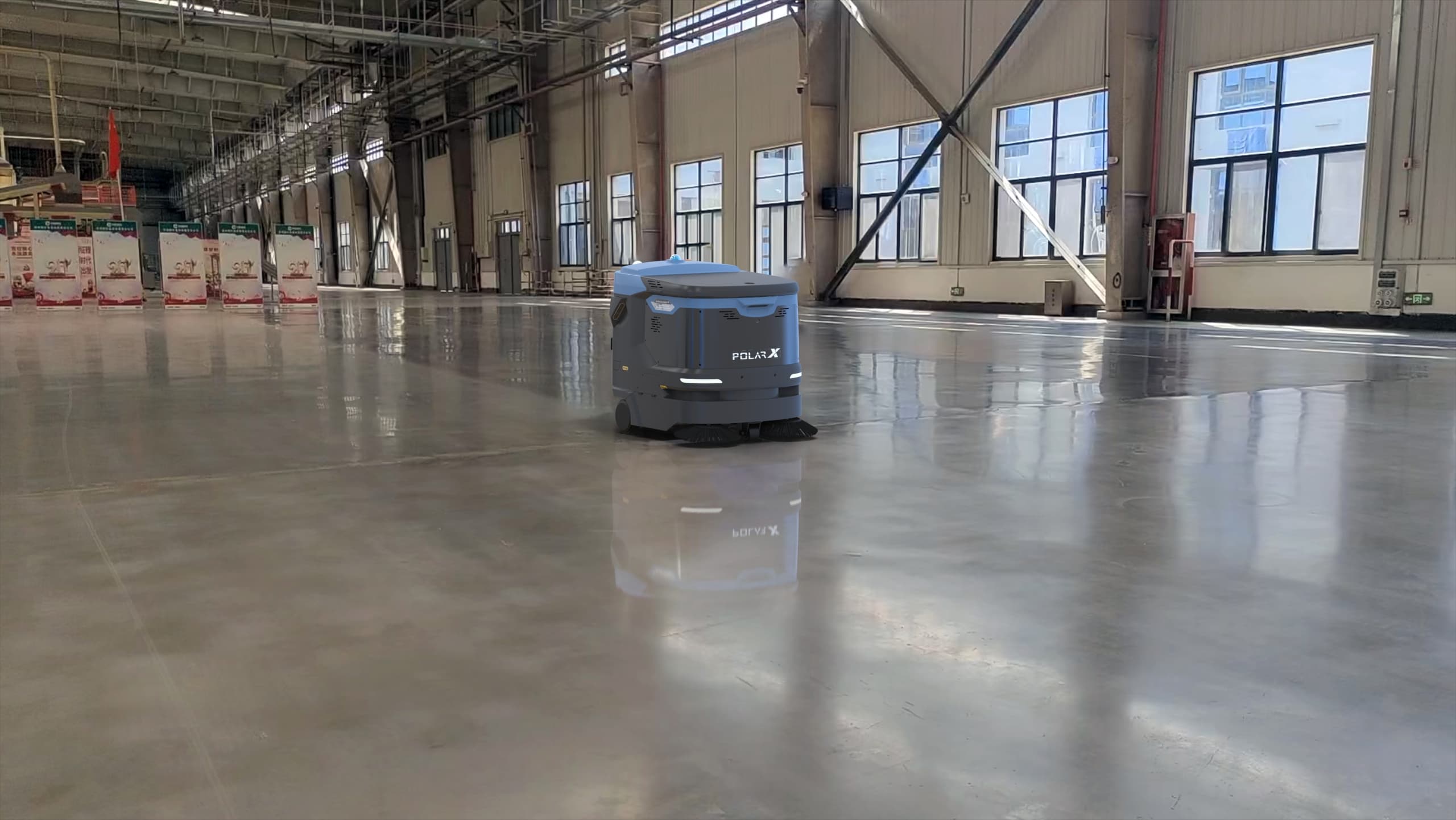
An industrial sweeping robot or commercial floor care robot can support daily maintenance before deeper cleaning is needed.
What to Check Before Buying
- Confirm the robot is suitable for the epoxy surface texture and coating condition.
- Check how it handles fine dust, sand, packaging debris and tyre particles.
- Review wheel material, brush type and whether the cleaning method is gentle enough for the floor.
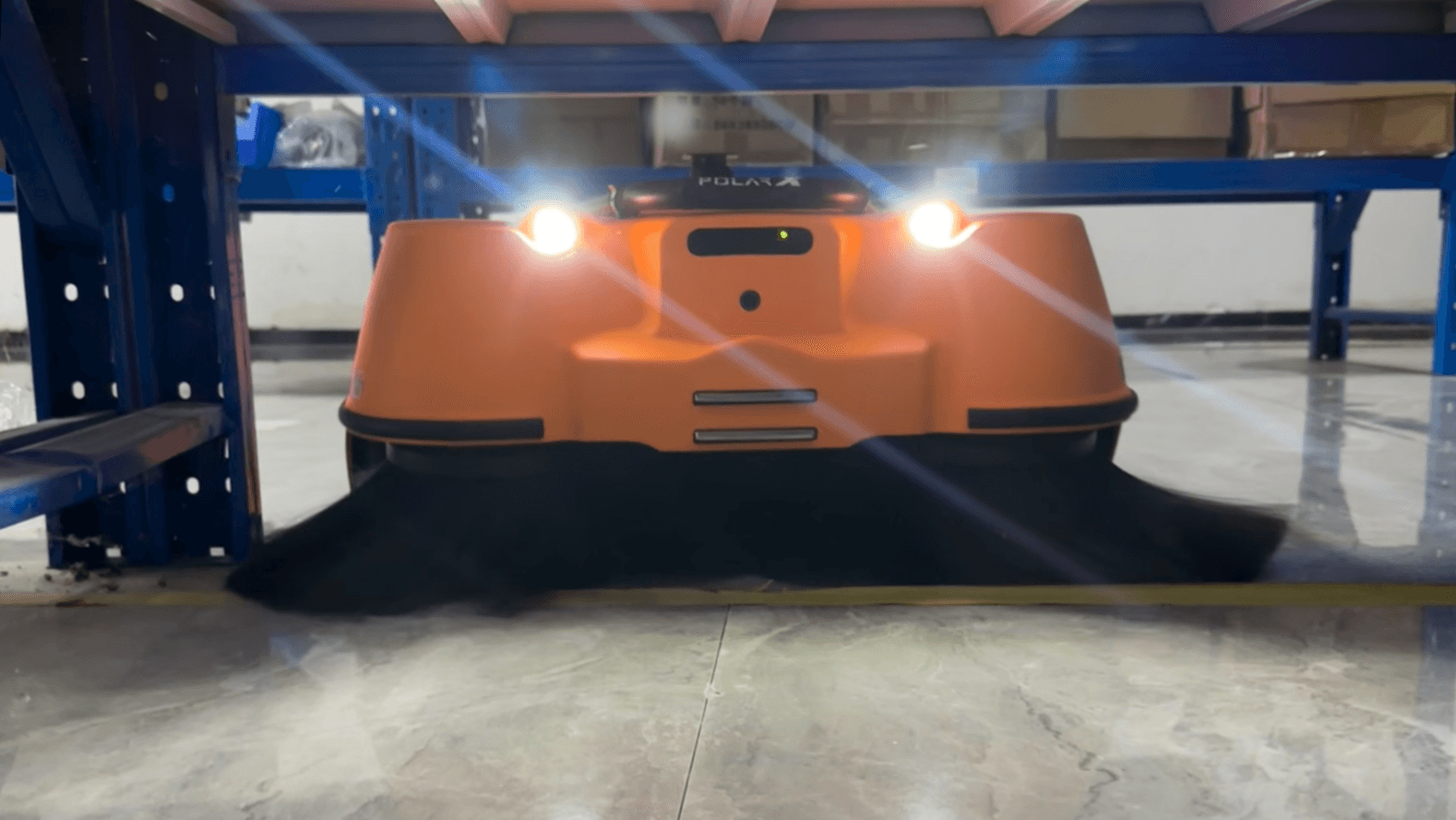
- Plan routes around racking, machinery, pallet storage and vehicle traffic.
Where Epoxy Floor Robots Fit
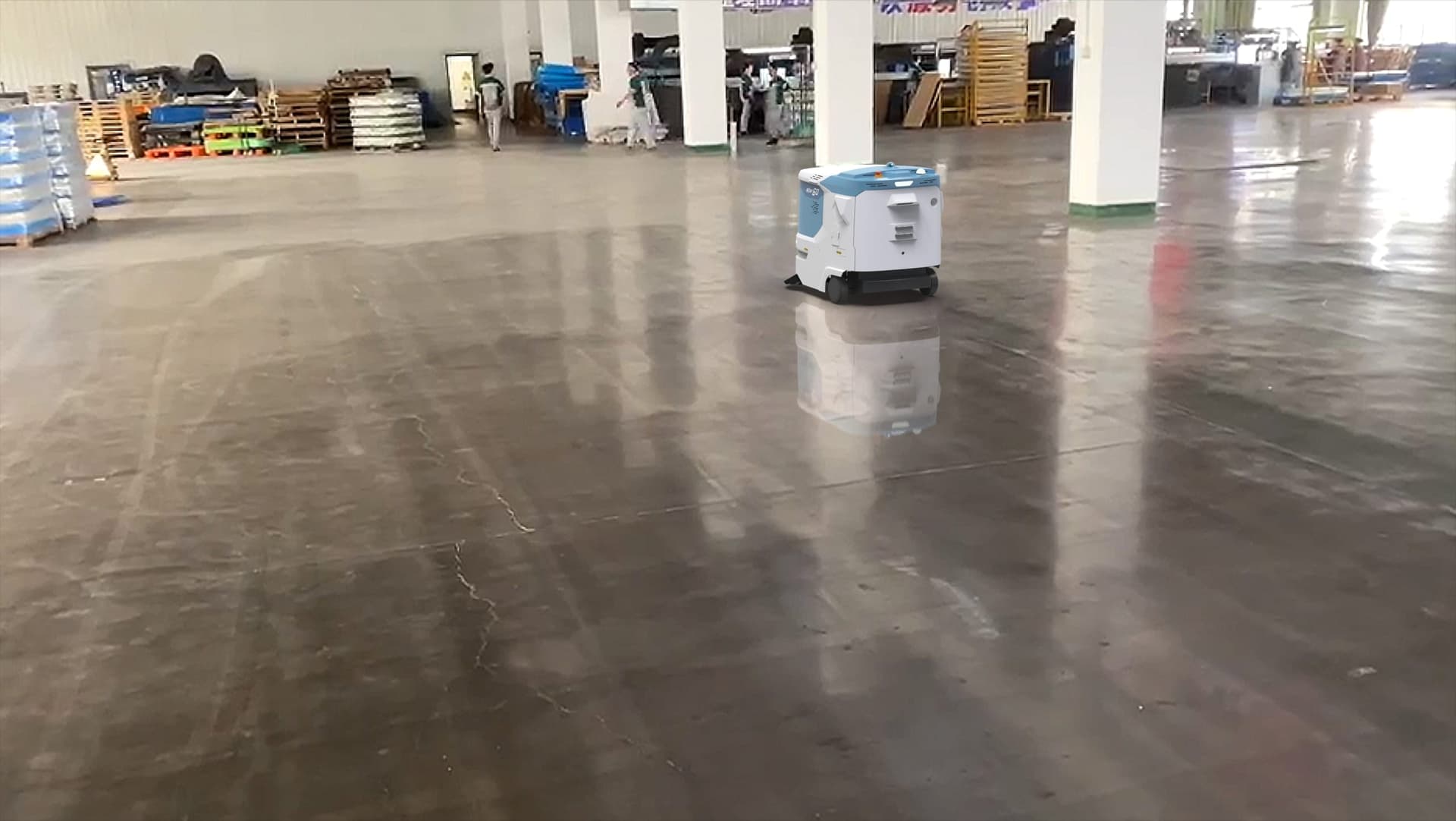
Cleaning robots for epoxy floors can fit warehouses, factories, service centres, retail showrooms, indoor sports venues, education facilities and commercial buildings with smooth coated floors.
They are especially useful where the facility needs regular appearance control but staff do not have time to manually sweep large areas every day.
Review related solutions
Conclusion
A cleaning robot for epoxy floors should protect the surface while improving daily consistency. For industrial and commercial facilities, the best approach is to remove dust and abrasive debris regularly, keep routes practical and use automation to support the floor-care standard staff already need to maintain.
Explore PolarX Cleaning Robotics
See how PolarX supports safer, simpler and more consistent commercial floor cleaning.
Common questions
Can cleaning robots be used on epoxy floors?
Yes, when the robot, brush system and cleaning method are suitable for the epoxy surface and the facility's debris profile.
Why is dust removal important for epoxy floors?
Dust, sand and grit can act as abrasive material and gradually affect gloss, traction and surface appearance if not removed regularly.