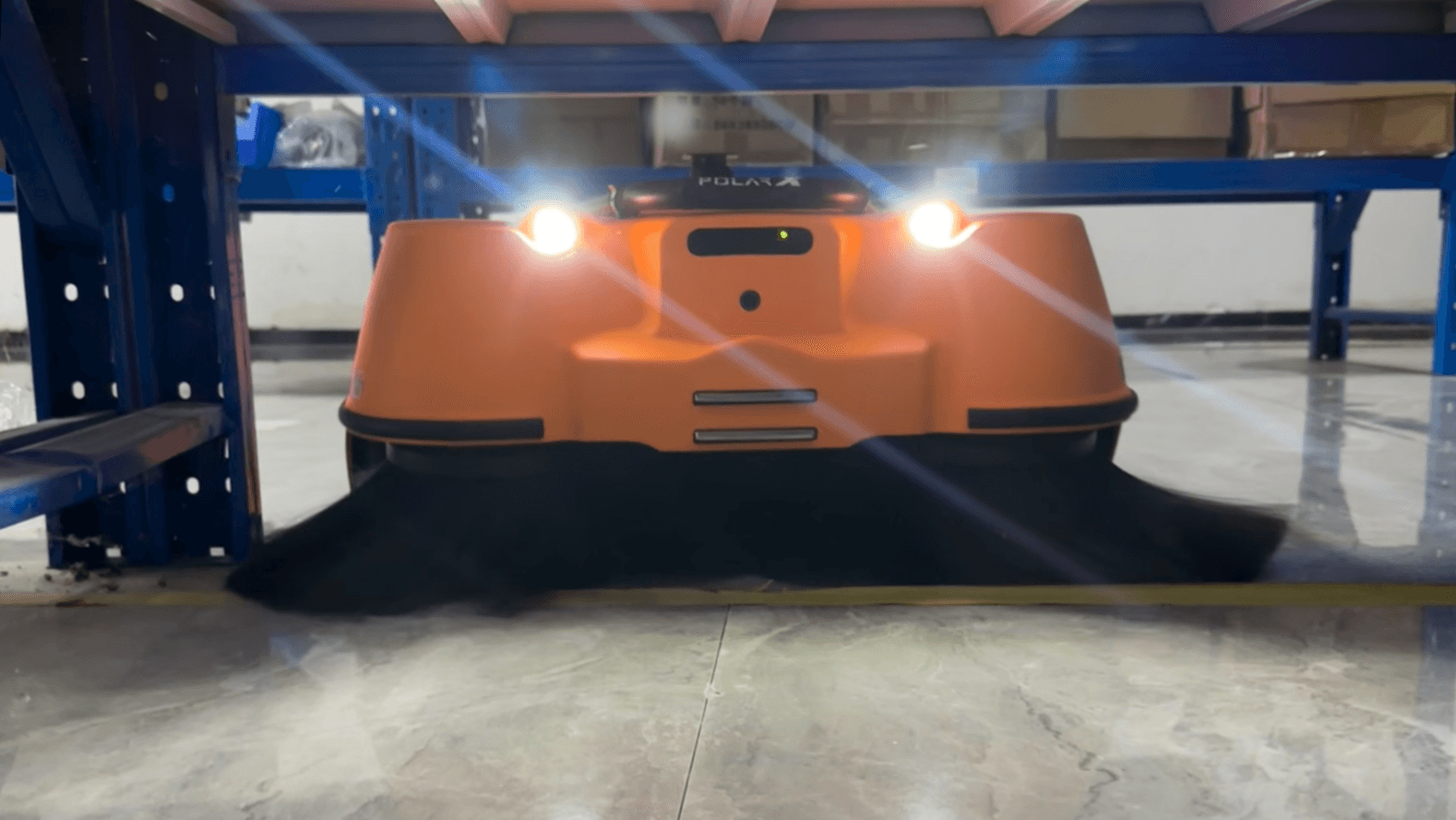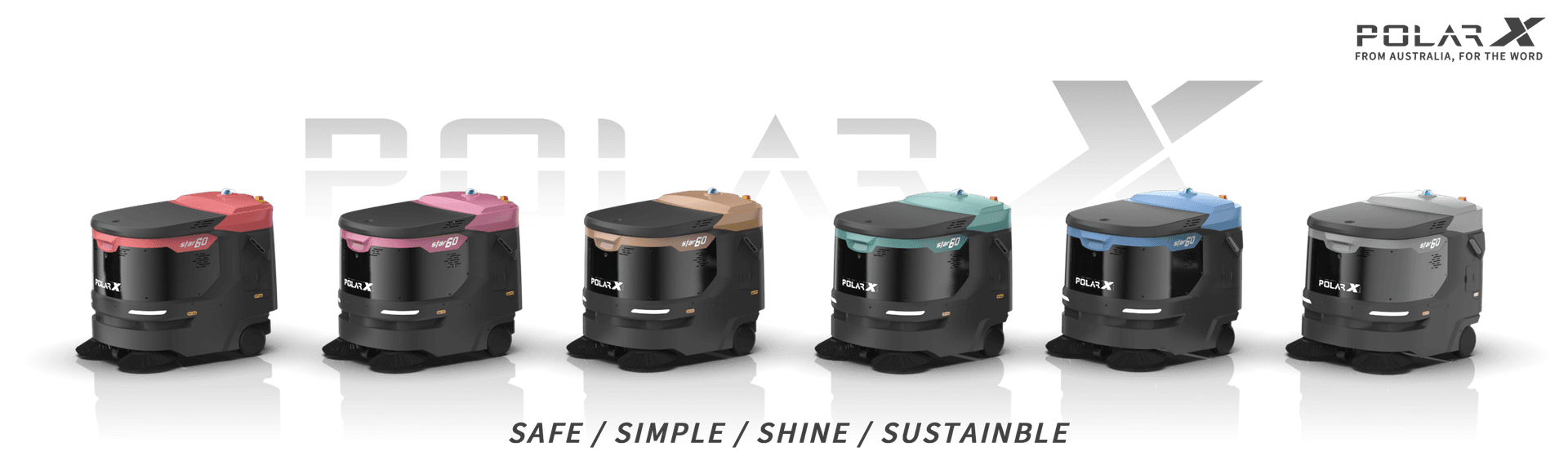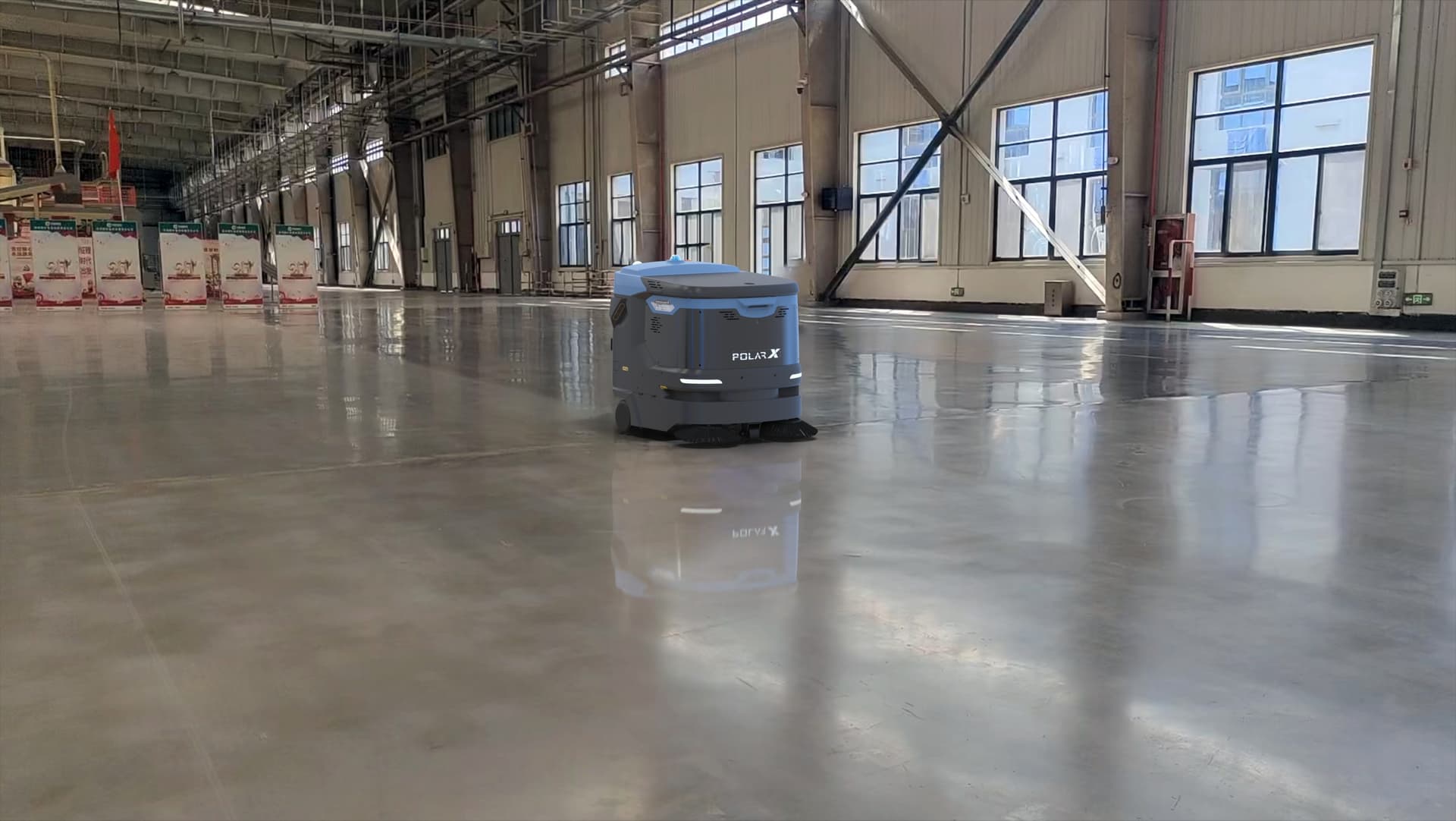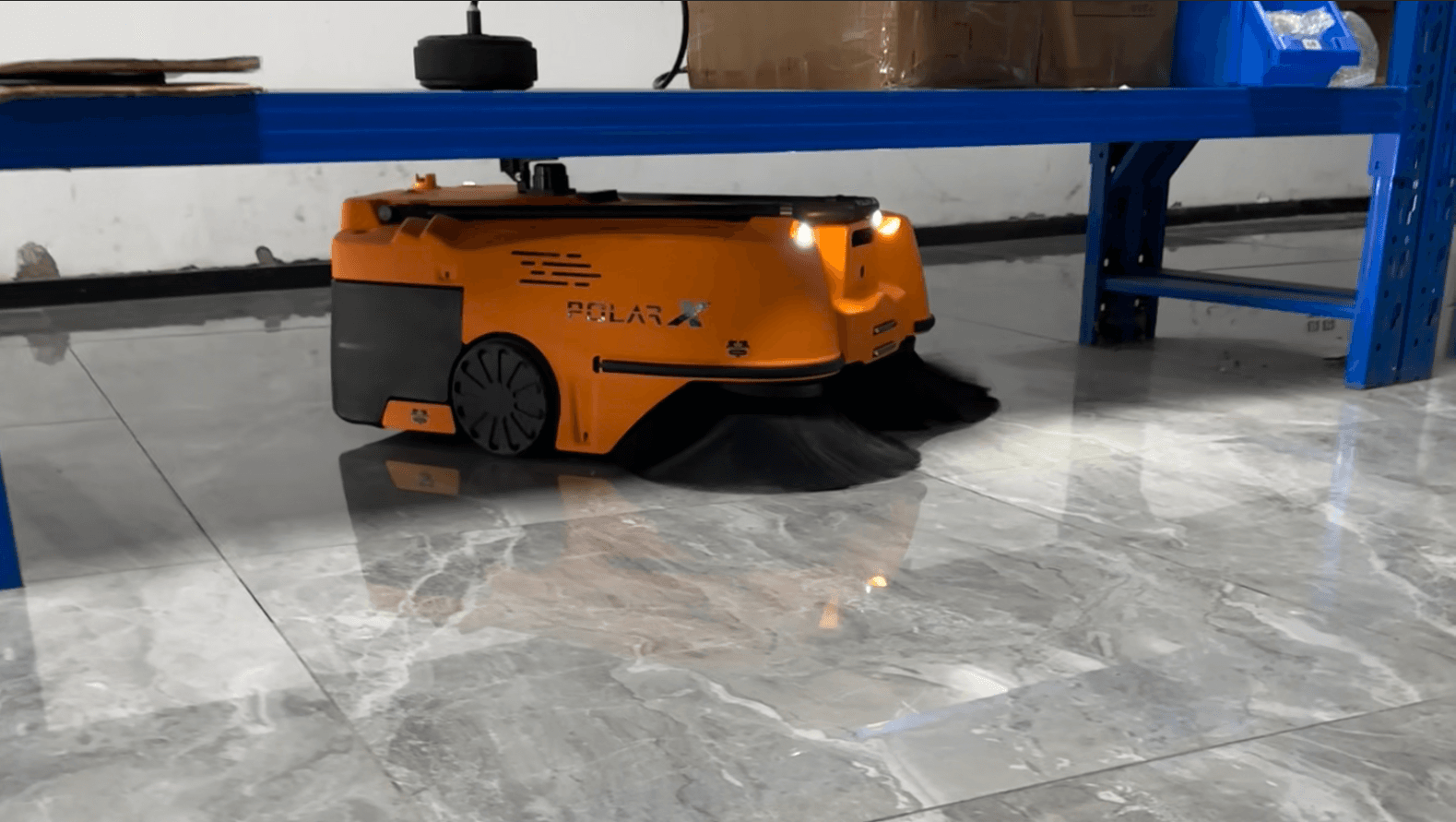
A warehouse cleaning robot has a different job from a robot used in a lobby or retail walkway. Warehouses deal with forklift traffic, pallet movement, dust, tyre particles, cardboard fragments, outdoor dirt and time pressure from logistics operations.
For Australian warehouses and logistics sites, cleaning automation should be planned around traffic flow, dust sources, safety rules and the practical reality of busy loading and picking areas.
Identify Dust and Debris Sources
Before choosing an industrial sweeping robot, identify where dust and debris come from. Common sources include loading docks, outdoor access points, racking aisles, pallet wrap, cardboard waste, production areas and forklift routes.
This determines whether the priority is daily sweeping, fine dust control, edge cleaning, periodic deep cleaning or a combination of manual and autonomous cleaning.
Match the Robot to the Warehouse Layout
Open warehouse floors are ideal candidates for autonomous cleaning because routes can be repeated. Narrow aisles, changing pallet locations and temporary obstructions need more careful planning.
- Use autonomous sweeping for wide traffic lanes and open staging areas.
- Schedule cleaning around forklift peaks and shift changes.
- Keep charging and maintenance areas away from loading congestion.
- Train staff to treat the robot as part of the site workflow, not a novelty.
Why Sweeping Matters in Warehouses
Dust and debris are not only cosmetic issues. Fine particles can affect floor grip, increase airborne dust, make the facility look poorly controlled and contribute to wear on floor coatings and equipment.
An industrial sweeping robot helps remove loose material before it spreads across the site. Consistent sweeping can improve presentation and support safer daily movement for people and vehicles.
Australian Warehouse Buying Criteria
For warehouse cleaning robot Australia searches, local support should be a serious consideration. Industrial sites need machines that can be serviced, supplied with consumables and supported without long operational delays.
Buyers should also compare navigation reliability, route setup, dust collection, battery runtime, operator training, alert handling and how the robot behaves around forklifts, pedestrians and temporary obstacles.
Explore warehouse automation
Conclusion
A cleaning robot for warehouses should be selected for the realities of industrial floor care: dust, debris, traffic, safety and daily repeatability. The right autonomous sweeping plan can help Australian logistics sites maintain cleaner floors with less repetitive manual labour.
Explore PolarX Cleaning Robotics
See how PolarX supports safer, simpler and more consistent commercial floor cleaning.
Common questions
What type of robot is best for warehouse cleaning?
Warehouses often benefit from an industrial sweeping robot designed for dust, loose debris and large open floor areas.
Can a warehouse cleaning robot work around forklifts?
It can be planned into forklift environments, but routes, schedules, operator training and site safety rules must be carefully considered.