Choosing commercial cleaning robots in Australia is not only a technology decision. The right machine has to match local facility conditions, labour availability, cleaning contractor workflows, service expectations and floor surfaces that can range from polished concrete to epoxy, carpet, vinyl and tiled public areas.
A strong buying process starts with the cleaning problem, not the robot. Facility teams should define where manual floor care is slow, inconsistent, hard to staff or disruptive before comparing models and features.
Start With the Facility Map
A commercial floor cleaning robot performs best when it is assigned to repeatable areas. Map open floor zones, corridors, lobbies, loading areas, sports floors, back-of-house routes and public walkways. Then separate daily cleaning zones from periodic deep-cleaning zones.
This helps identify whether the facility needs a compact autonomous cleaning robot for public areas, an industrial sweeper for dusty environments, or a waterless floor care robot for high-traffic commercial spaces.
Compare Robots by Workflow, Not Only Specifications
Specifications such as battery life, cleaning width and tank capacity matter, but workflow fit matters more. Ask who will prepare the robot, how routes will be started, where the robot will be charged, how exceptions will be handled and how staff will know the job is complete.
- For public commercial areas, prioritise predictable navigation, quiet operation and dry floor availability.
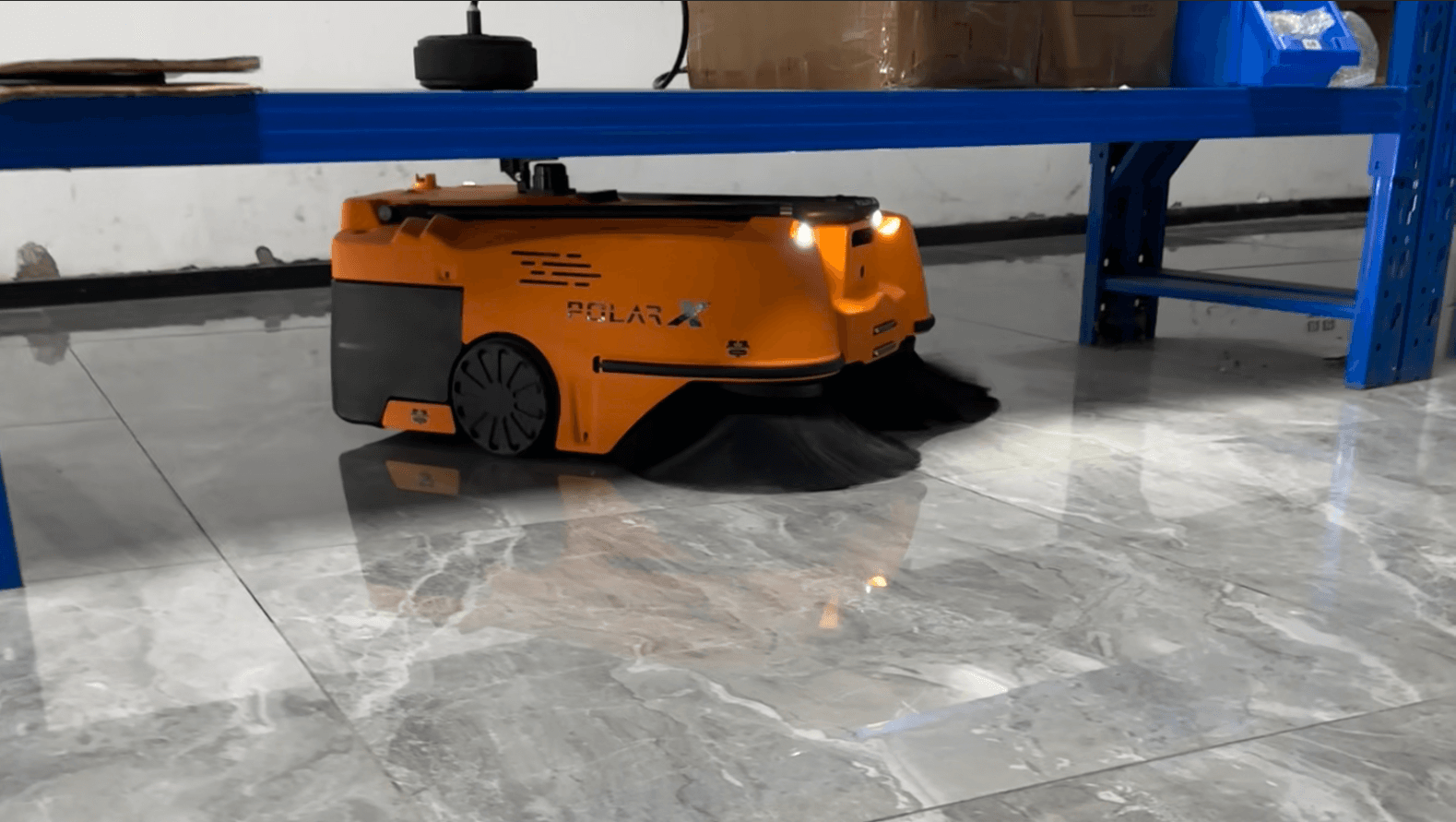
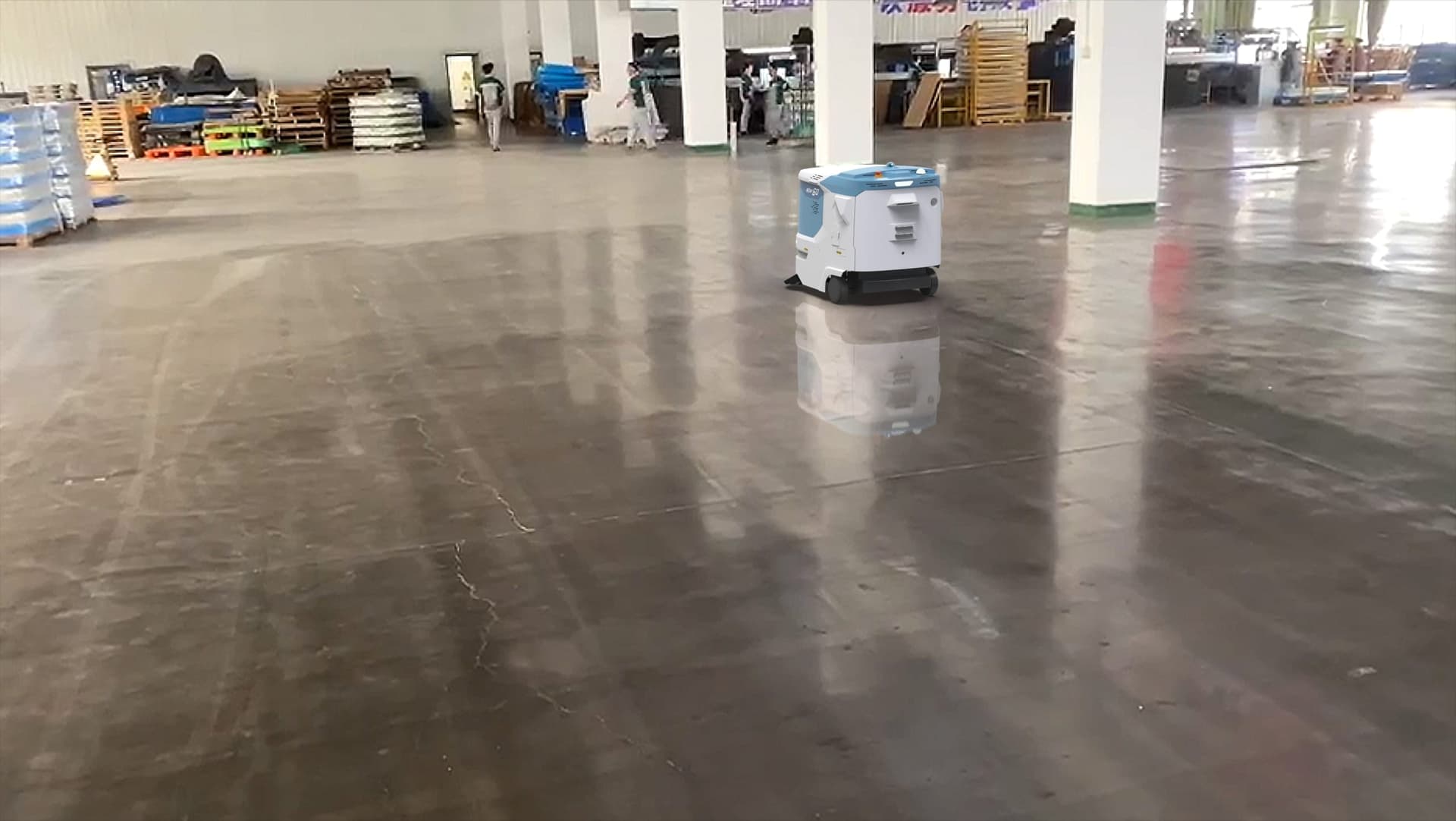
- For warehouses, prioritise dust control, sweeping performance and simple deployment across large zones.
- For cleaning contractors, prioritise repeatability, easy training and support across multiple client sites.
- For facility owners, prioritise service response, consumable cost and long-term operating reliability.
Check Local Service and Support
Australian buyers should look closely at local support. A commercial cleaning robot becomes part of the daily cleaning operation, so spare parts, training, troubleshooting and service response are practical buying criteria. A lower-cost machine can become expensive if it is difficult to support.
Ask about onboarding, route setup, operator training, remote support, consumable supply and how quickly common service issues can be addressed.
Waterless Cleaning and Operational Safety
Waterless commercial cleaning robots can be useful in Australian facilities where floors must remain available during cleaning. Shopping centres, schools, hotels, healthcare corridors and office buildings often cannot afford long wet-floor downtime.
Keeping floors dry during routine cleaning can reduce disruption, simplify cleaning schedules and support safer movement around people.
Conclusion
The best commercial cleaning robot for an Australian facility is the one that fits the site, the staff workflow and the cleaning standard. Compare robots by daily usability, local support, floor compatibility and measurable operating value before comparing headline features.
Explore PolarX Cleaning Robotics
See how PolarX supports safer, simpler and more consistent commercial floor cleaning.
Common questions
What should Australian buyers compare when choosing a commercial cleaning robot?
Compare floor type, cleaning schedule, labour model, service support, consumables, safety requirements, training needs and expected ROI.
Are commercial cleaning robots suitable for Australian cleaning contractors?
Yes, especially where contractors manage repeatable floor-care tasks across large commercial, retail, education, healthcare or logistics facilities.