Healthcare facilities have demanding cleaning expectations, but not every cleaning task is clinical disinfection. Corridors, waiting rooms, public entrances, staff areas and shared commercial spaces also need consistent floor maintenance every day.
A healthcare cleaning robot is most useful when it supports repeatable, non-clinical floor-care tasks and gives cleaning teams more capacity for detailed hygiene work that requires human attention.
Where Healthcare Cleaning Robots Fit
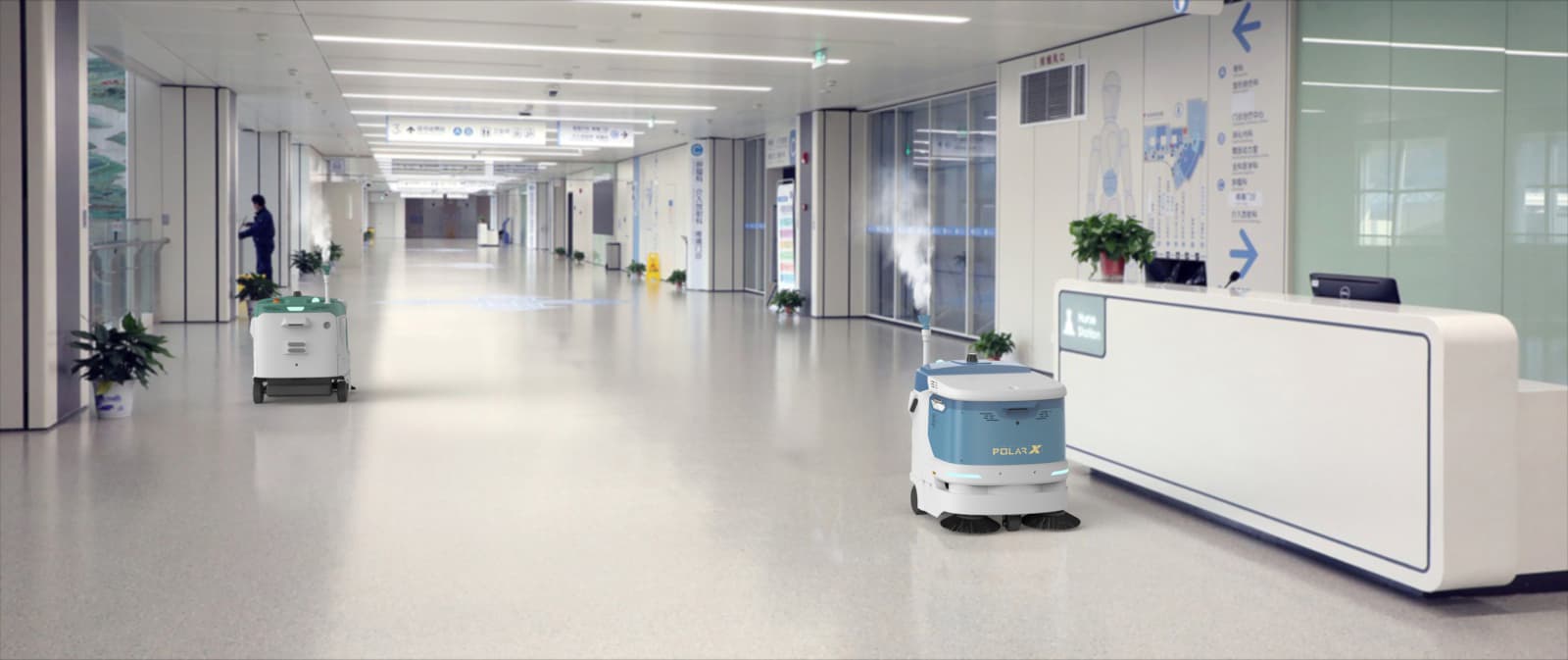
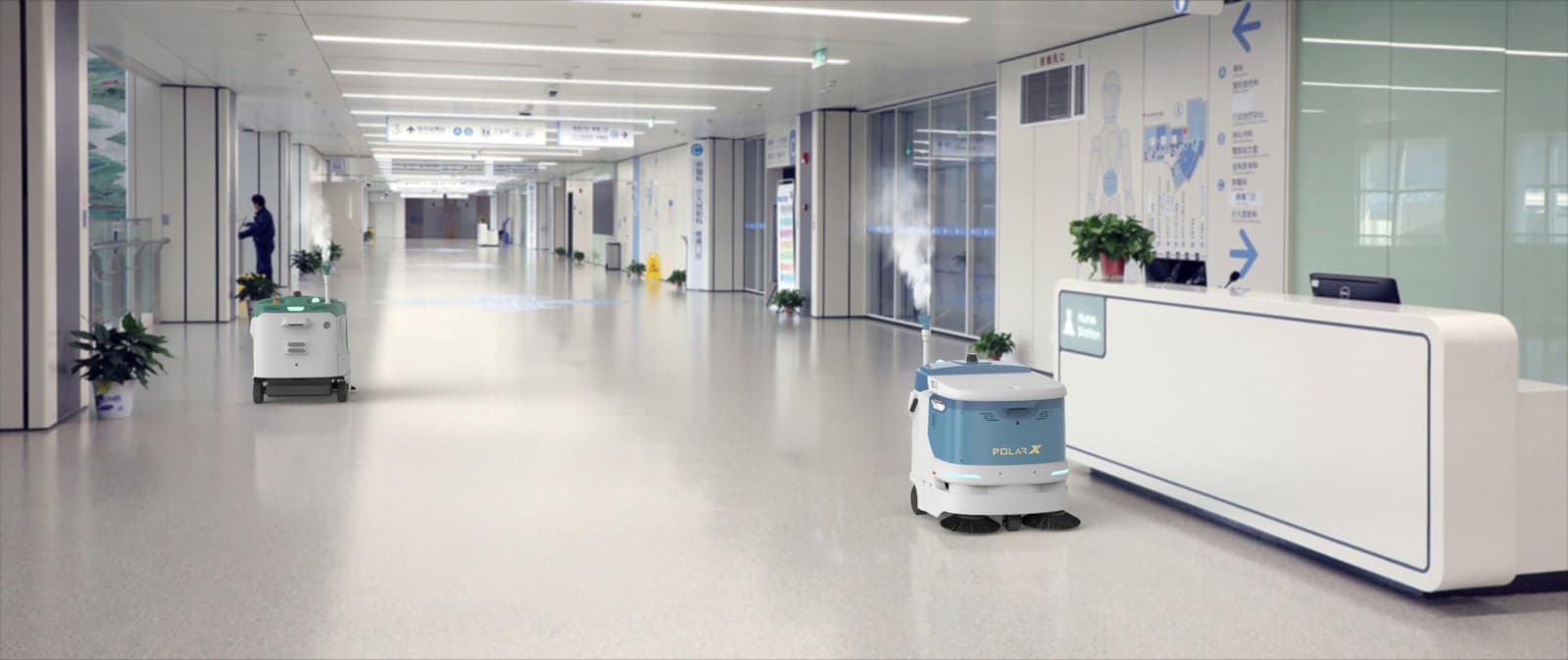
Autonomous cleaning robots should be planned for predictable floor areas rather than sensitive clinical tasks. Suitable zones may include long corridors, waiting areas, public lobbies, large staff circulation spaces and common facility areas.
These areas often have heavy foot traffic and need frequent maintenance to control dust, marks and surface appearance.
Why Consistency Matters
Healthcare cleaning teams are often stretched. When staff are under pressure, routine floor care can become inconsistent, especially in large facilities with long corridors and multiple public zones.
A robot can help maintain repeatable cleaning coverage, allowing staff to spend more time on detailed cleaning, spill response, touchpoints and areas that require judgement.
Dry Floor Operation
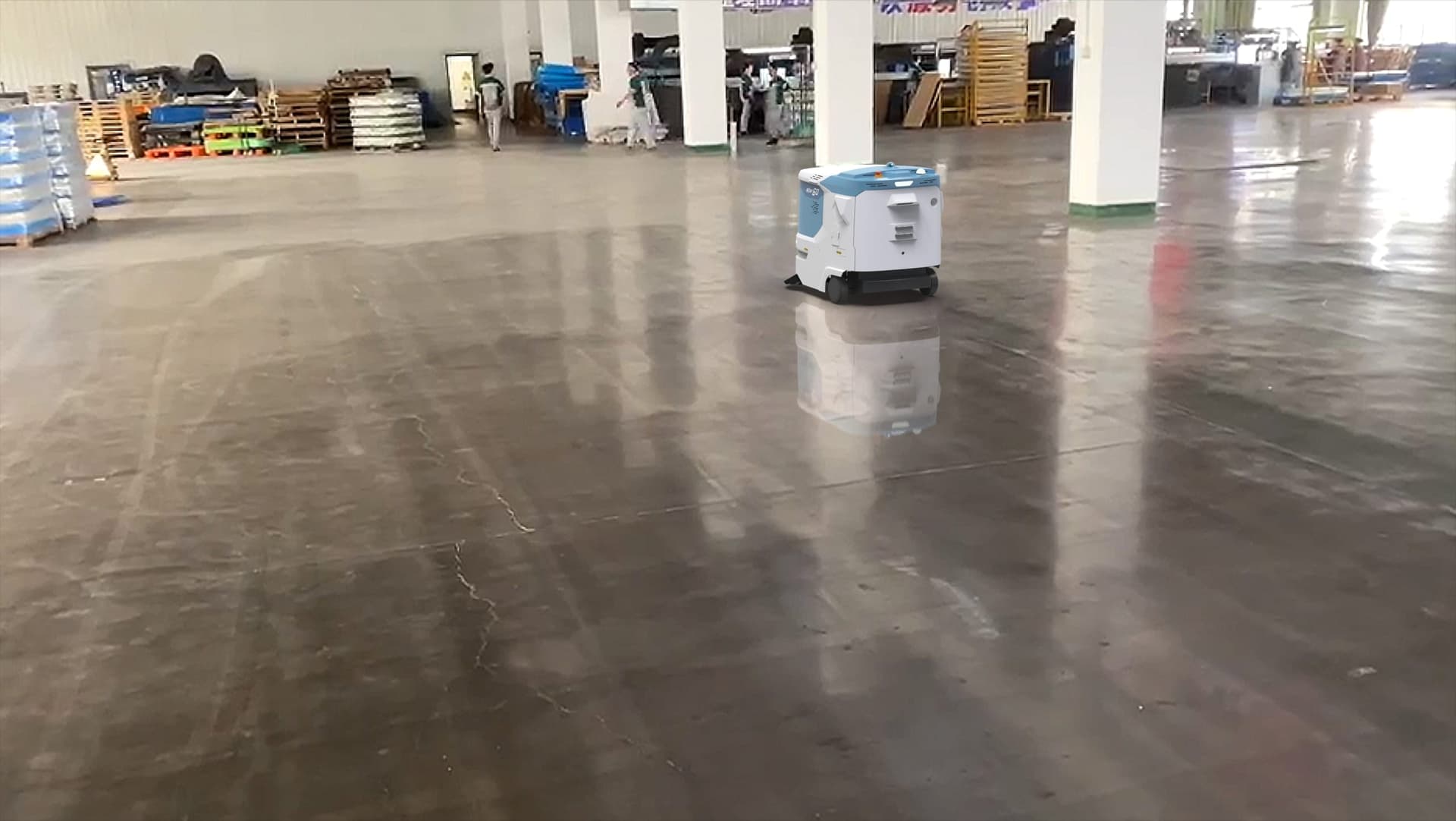
Waterless cleaning can be valuable in healthcare public zones because floors often need to remain open. Wet floors in corridors or waiting areas can create avoidable disruption and require signage or traffic control.
A waterless cleaning robot can support routine floor maintenance while reducing the operational burden associated with wet cleaning in active public areas.
Implementation Considerations
- Define zones where autonomous floor care is appropriate.
- Avoid using robots as a substitute for infection-control procedures.
- Train staff on supervision, exception handling and route timing.
- Schedule cleaning around patient movement, visiting hours and shift changes.
Plan safer facility cleaning
Conclusion
A healthcare cleaning robot should be used as a practical support tool for routine floor care, not as a replacement for clinical cleaning protocols. In the right zones, autonomous floor care can help healthcare teams improve consistency, reduce repetitive work and keep public spaces easier to maintain.
Explore PolarX Cleaning Robotics
See how PolarX supports safer, simpler and more consistent commercial floor cleaning.
Common questions
Can healthcare cleaning robots replace infection-control cleaning?
No. They should support routine floor care in appropriate zones while clinical cleaning and infection-control procedures remain managed by trained staff.
Where are healthcare cleaning robots most useful?
They are most useful in repeatable public and operational spaces such as corridors, lobbies, waiting areas and large shared floor zones.