
PolarX Robotics

Technology

Operator Adoption

A commercial cleaning robot only creates value when frontline teams can use it correctly, consistently and with low burden.

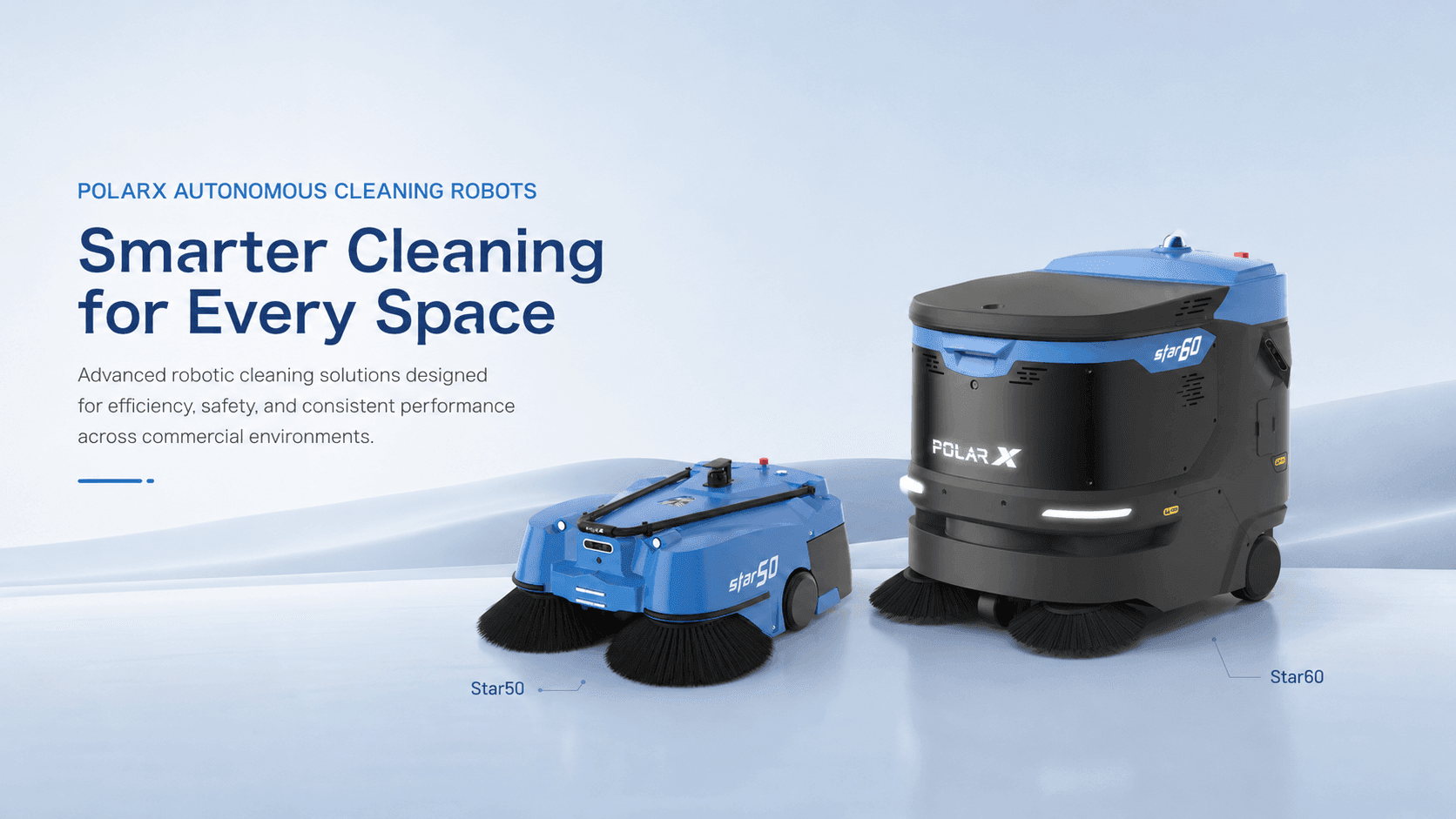
PolarX Star50 and Star60 commercial cleaning robots designed for operator adoption

Technology visual

PolarX robots designed for real facility teams and daily operator adoption.

01

The Real Test Is Daily Use

Many cleaning robots look impressive during demonstrations. But the real test happens after installation.

A robot must work around real cleaning teams, real floor conditions, real schedules, real maintenance routines and real service expectations.

If a machine is too complex, too difficult to maintain or too dependent on constant troubleshooting, usage may decline over time.

PolarX designs around long-term adoption, not just first impressions.
02

Why Operators Stop Using Cleaning Robots

Cleaning robots can fail in real facilities when they create more burden than value.

PolarX focuses on reducing these barriers.

  • Too many daily maintenance steps
  • Complicated setup
  • Constant water filling and draining
  • Dirty tank cleaning
  • Frequent troubleshooting
  • Unclear task planning
  • Poor fit with frontline routines
  • Excessive service calls
  • Lack of confidence from cleaning staff
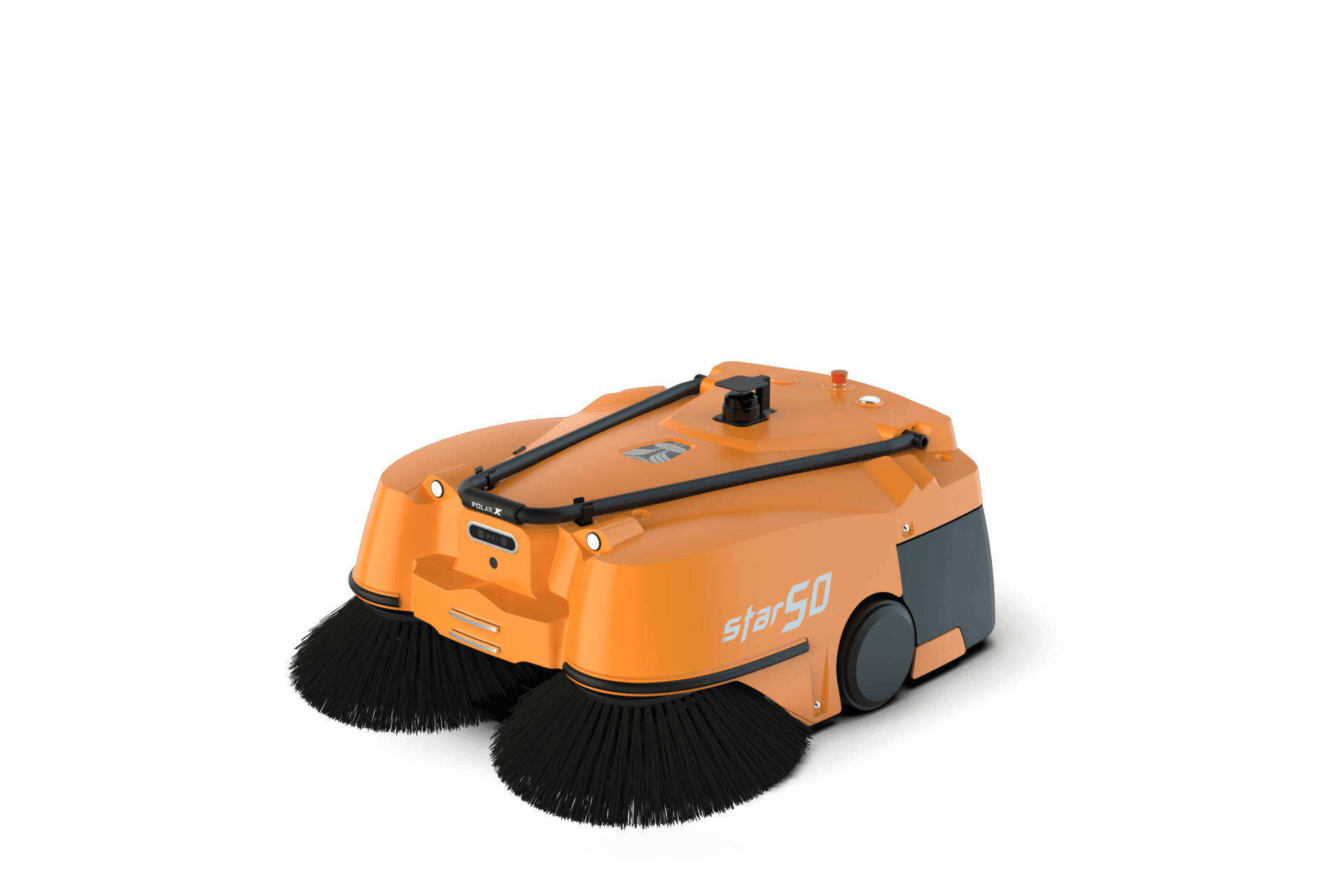
PolarX Star50 industrial sweeping robot for daily operator use

Technology visual

Operator adoption barriers and PolarX design responses.

03

Designed for Frontline Teams

Simple Daily Operation

PolarX products are designed to reduce unnecessary complexity in daily cleaning routines.

Lower Maintenance Burden

Waterless operation helps reduce many routine steps such as clean-water filling, wastewater draining and dirty tank cleaning.

Stable Long-Term Use

Fewer water-system failure points can help support more consistent daily operation.

Better Training and Supervision

Simpler operation makes it easier for supervisors, operators and service partners to train teams and maintain standards.

04

Adoption Is a Business Issue, Not Just a Technology Issue

A cleaning robot is not valuable simply because it has many features.

It becomes valuable when it helps facilities reduce operating burden, improve cleaning consistency, support staff and create measurable long-term value.

PolarX focuses on practical adoption factors.

  • Will staff use it every day?
  • Is it easy to train?
  • Is maintenance manageable?
  • Does it fit the cleaning schedule?
  • Does it reduce service pressure?
  • Does it support long-term correct use?

05

Value for Distributors and Service Partners

Operator adoption also affects distributors.

If customers do not use a machine correctly, service partners face more training issues, more complaints, more emergency visits and more avoidable maintenance burden.

PolarX supports distributors by focusing on simpler operation, lower routine maintenance and more predictable service models.

Operator Adoption FAQ

Why does operator adoption matter?+

A cleaning robot only creates value when frontline teams use it correctly and consistently. PolarX prioritises simple operation, fewer routine maintenance steps and realistic cleaning workflows so the robot can remain useful after deployment.

Why is simplicity important for cleaning robots?+

Cleaning robots often fail when they create more maintenance burden than value. If staff must constantly fill tanks, drain wastewater, clean dirty tanks, manage clogs or troubleshoot the machine, the automation benefit is reduced. PolarX is designed to make daily operation easier so teams are more likely to use the robot correctly over time.

How does PolarX help reduce labour pressure?+

PolarX can handle repetitive daily cleaning tasks and reduce many maintenance steps associated with traditional wet-cleaning equipment. This allows frontline staff to focus more on inspection, spot treatment, quality control and higher-value cleaning management instead of constantly servicing the machine.

Built for Real-World Use

Explore how PolarX products are designed for daily facility operation and long-term adoption.